Is your cigar collection rotting? 3 signs your desktop humidor is failing you
You’ve spent years meticulously hunting down rare Opus X cigars or aged Cuban treasures. Your collection represents a significant investment, a testament to your hard work and discerning taste. Then, one afternoon, you open your humidor only to be met with a musty odor and discover a fuzzy green patch marring a cigar wrapper. In that disheartening moment, you realize your humble desktop box hasn’t just failed; it’s become a mausoleum for your prized investment.
Desktop humidors are often the gateway purchase for novice cigar enthusiasts. They possess an aesthetic appeal, looking handsome on an office desk and conveniently holding a small selection of cigars for daily enjoyment. However, these boxes were never intended to be the final sanctuary for a serious cigar collection. As your inventory expands, the inherent limitations of a small wooden container become a genuine threat. If you wish to prevent your collection from succumbing to decay before it even has a chance to mature, it’s crucial to recognize the telltale signs that your current storage solution is faltering.
The Unstable Humidity Rollercoaster
The most glaring indicator of a failing desktop humidor is erratic humidity levels. If you find yourself compulsively checking your hygrometer each morning, only to be met with a different reading every day, you’re facing a significant problem. Desktop humidors rely on a passive sealing mechanism. This means they depend entirely on the precise fit between the lid and the base to retain moisture.
Over time, the wood comprising the humidor will expand and contract in response to seasonal changes. During the drier winter months, the Spanish cedar lining within your humidor can shrink. This shrinkage creates minuscule gaps, often imperceptible to the naked eye. These tiny fissures allow precious moisture to escape, forcing your humidification device to work overtime to compensate. Conversely, when the humid summer air arrives, the wood expands, potentially trapping excessive moisture.
This constant fluctuation is detrimental to cigars. A cigar, much like a living leaf, requires a stable environment to age gracefully. When the humidity swings wildly from sixty percent to seventy-five percent and back again, the tobacco leaves within the cigar expand and contract repeatedly. This process can lead to cracked wrappers. Even more alarmingly, it creates an ideal breeding ground for mold. If you cannot maintain a consistent sixty-nine percent humidity level without constant daily adjustments, your desktop box is no longer a secure haven for your cigars. To truly safeguard your collection, serious enthusiasts should consider professional cigar humidor cabinets that employ active electronic systems to maintain a perfectly controlled environment, irrespective of external weather conditions.

The Ominous Musty Odor and Fuzzy Surface Growth
Many collectors mistakenly identify plume as mold. Let’s be unequivocally clear: plume is a myth. Any white or green fuzz you observe on your cigars is unequivocally mold. Mold thrives in stagnant air and excessive moisture. This is precisely where the inherent weakness of the desktop humidor lies. Because these boxes are small and lack internal air circulation fans, the air within remains completely still.
When cigars are stacked atop one another in a confined space, microclimates are inadvertently created. The cigars at the bottom of the box might be subjected to eighty percent humidity, while those at the top are rapidly drying out. Without any airflow, moisture tends to accumulate in the interstitial spaces between the cigars. This is the genesis of rot.
If, upon opening your humidor, you are greeted by a smell reminiscent of a damp basement rather than the rich aroma of fine tobacco, your collection is in peril. Once mold spores establish themselves within the cedar lining of a desktop humidor, eradicating them becomes an almost insurmountable task. While you can attempt to wipe down the wood with isopropyl alcohol, the spores often penetrate deep into the grain. At this juncture, the humidor itself transforms into a biohazard, capable of contaminating any new cigars you introduce. Professional cabinet humidors circumvent this issue by incorporating fans that circulate air at regular intervals. This ensures that every cigar receives a consistent supply of oxygen and moisture, thereby preventing the stagnant conditions that mold requires for proliferation.
The Inescapable Seal Test Failure
There’s a straightforward method to ascertain if your desktop humidor is failing you, even before you lose a single cigar. It’s known as the dollar bill test. You place a dollar bill halfway into the humidor’s opening and then gently close the lid. If you can effortlessly pull the bill out without encountering any resistance, it signifies that your seal has been compromised.
The majority of desktop humidors are mass-produced. They often utilize thin veneers or low-quality hardware that tends to degrade after a year or two of regular use. The hinges may loosen, or a glass top might begin to allow air to leak around the edges. If your humidor cannot successfully pass this simple seal test, it essentially functions as little more than a decorative box, offering no genuine protection for your tobacco from the external environment.
Beyond the physical integrity of the seal, you must also consider the humidor’s capacity. Most enthusiasts find themselves outgrowing a desktop box within their first year of collecting. When you attempt to cram fifty cigars into a box designed for forty, you fundamentally disrupt the internal airflow. You are essentially forcing the humidor into a state of failure. If you consistently find yourself playing a game of “Tetris” every time you acquire a new box of cigars, you are placing your entire investment at considerable risk.
Why a Cabinet Humidor is the Undisputed Solution
A serious cigar collection is an asset. Like any valuable asset, it necessitates the appropriate infrastructure to preserve its worth. When you transcend the limitations of the desktop humidor phase, you enter the realm of sophisticated climate control. A professional cabinet humidor is far more than just a larger box; it is a meticulously engineered piece of precision equipment.
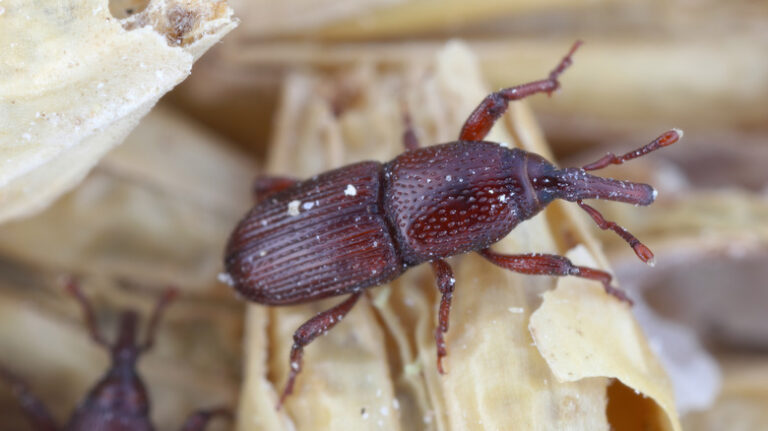
These units are equipped with integrated cooling and heating elements. This capability is absolutely vital, as temperature plays a role in cigar preservation that is just as critical as humidity. If your home environment becomes excessively warm, you risk a tobacco beetle infestation. These minuscule pests remain dormant within the tobacco until the ambient temperature reaches a specific threshold. A desktop humidor is incapable of preventing this threat because it cannot regulate temperature. A cabinet humidor, however, allows you to set a precise temperature, typically around sixty-five degrees Fahrenheit, which effectively keeps the beetles dormant and the tobacco fresh.
Furthermore, the expansive scale of a cabinet humidor facilitates superior organization. You can strategically segregate your milder Connecticut-wrapped cigars from your robust Ligero blends. This separation prevents the subtle flavor profiles from migrating between cigars over years of aging. When you integrate a high-end cabinet humidor into your living space, it becomes a captivating centerpiece, signaling your serious commitment to the hobby.
For those who aspire to cultivate a luxury lifestyle, the environment in which they enjoy their cigars is as important as their storage. Many collectors who upgrade their humidors also seek to enhance their overall living space. If you are seeking inspiration for designing a home that accommodates a luxury lifestyle, complete with dedicated smoking rooms or custom lounges, exploring resources that showcase high-end design seamlessly integrated with functional living spaces can provide invaluable ideas.
Concluding Thoughts
The transition from a desktop humidor to a professional cabinet represents a significant milestone for every dedicated cigar enthusiast. It signifies the moment you evolve from a casual smoker to a discerning curator of fine tobacco. Do not wait until you discover a box of ruined Davidoffs to make the necessary switch.
Be vigilant for the telltale signs of fluctuating humidity and stagnant air. Regularly perform the seal test. If your current humidor is demonstrably struggling to maintain optimal conditions, it is time to migrate your collection to a professional-grade system. Your cigars represent a considerable investment of both your time and your financial resources. They deserve a home that will preserve their perfection for decades to come. Protect your investment today, and you will be able to savor its rewards for many years into the future.