How to clean hardwood floors so they shine without streaks
These tips will help your hardwoods shine.
If you’ve ever watched any show involving home renovations, you probably know how sought-after and special hardwood floors are. It’s not surprising that something so desirable probably requires a bit of maintenance, too. Like any flooring, hardwoods get dirty from everyday foot traffic, spills, pets, and dust. Unlike laminate, vinyl, linoleum, textile, stone, or carpeted flooring, hardwood floors require a special version of deep cleaning.
“Some floor types, such as tile or luxury vinyl, are more durable and waterproof,” explains Kathy Turley, director of marketing for Home Clean Heroes in Virginia Beach, Virginia. “Wood is a more porous material, so you’ll want to minimize liquid absorption.” Below, we’ve asked Turley for her best tips on how to deep clean hardwood floors the right way.
How Often To Deep Clean Hardwood Floors
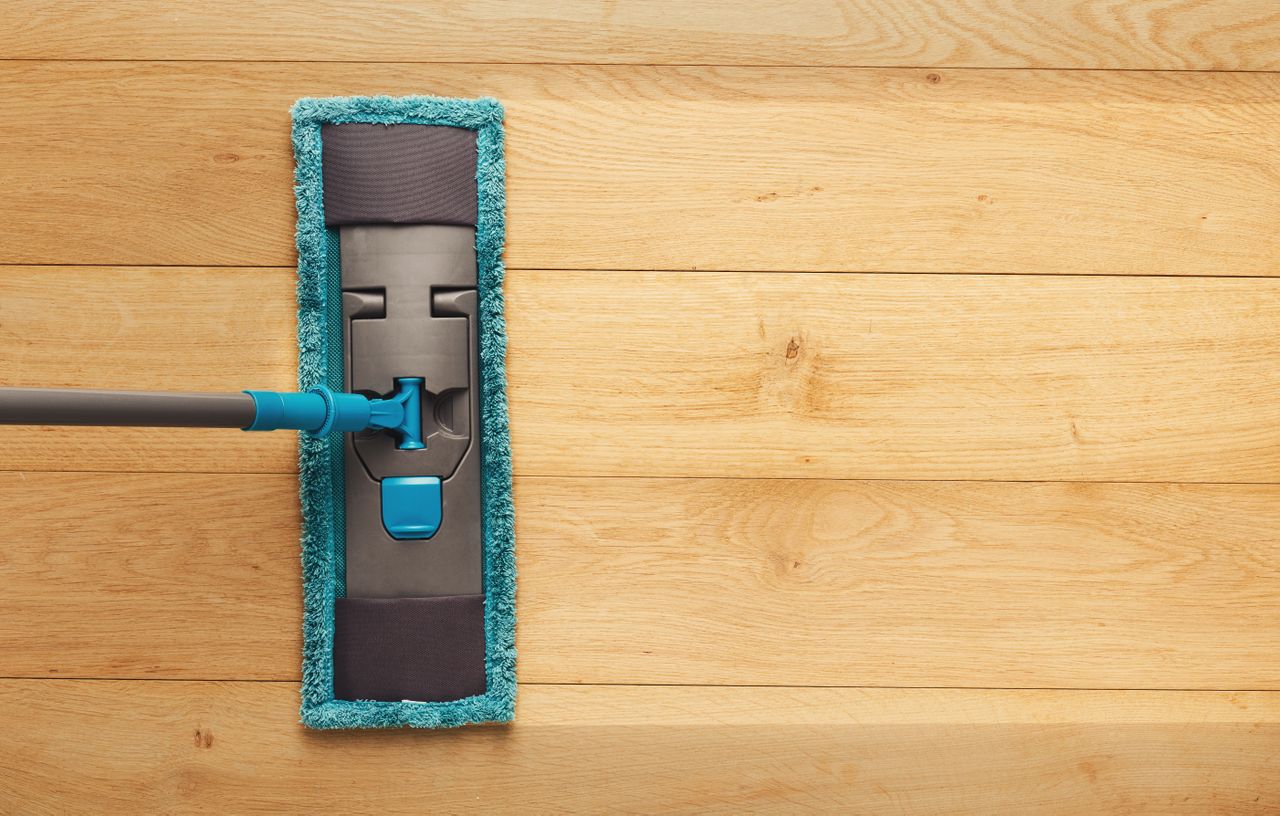
Hardwood floors need regular cleaning. High-traffic areas need to be cleaned with a dust mop or vacuumed frequently, daily if necessary. Clean spills and water puddles when they happen so they won’t stain or attract more dirt. With regular upkeep, you only need to use a damp mop to clean your floors every few months. If you’re looking for a deeper cleaning, one of these best steam mops may be right for you.
Considerations Before Getting Started
There are a few things you should avoid when deep cleaning your hardwood floors.
Stay away from abrasive cleaners or alkaline products (like vinegar). “Abrasive cleaners can scratch the floors and alkaline can dull the finish on the floor,” explains Turley. “If you are going to use vinegar, you will want to dilute it with water—a 50/50 mixture should do the trick.”
A simple mixture of soap and water is also safe. However, remember that wood is naturally porous and will absorb the liquid if too much is applied, causing damage or warping of the floor. “You’ll need to take into consideration whether or not your floor has a finish (like a polyurethane) which acts as a barrier (and the water will pool) or if it is natural or unfinished, in which case the wood will absorb the water,” explains Turley.
What You Need
- Dust mop
- Vacuum
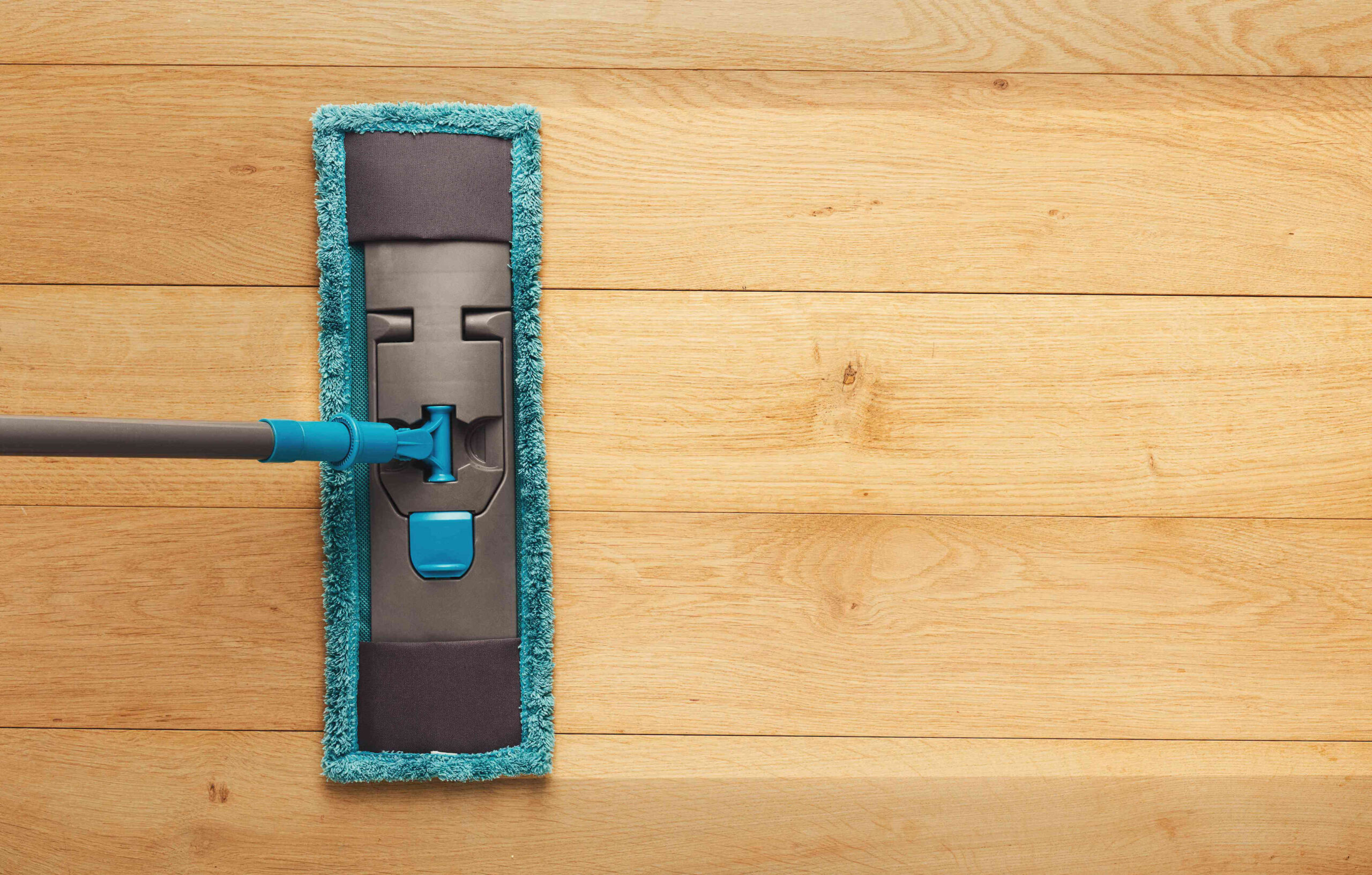
- Wet mop with a cleaning pad
- Hardwood floor cleaner
- Microfiber cloths
- Putty knife
- Mineral oil
- Antibacterial wood floor cleaner (optional)
How To Deep Clean Hardwood Floors
Step 1: Dust The Floors
Start by getting rid of surface-level dust and debris using a dust mop with a microfiber cloth or a vacuum, just like you would during a regular clean. When using a vacuum, remember to adjust the setting from carpets to bare floors. The carpet setting lowers the rotating brush, which could scratch and dull hardwood floors over time. Choose a setting for bare floors to eliminate the bristles’ contact with the floor surface.
Step 2: Mop The Surface
Wet the cleaning pad on the mop with warm water. Make sure to use a damp mop rather than a soaking wet one, or use a floor spray designed for hardwood floors and a dry cleaning pad to clean the surface. “A soft cleaning pad will trap dirt as you go,” explains Turley. “Remember: avoid using too much liquid—if you accidentally use a little more than intended and the floors are damp, just be sure to go over everything with dry cleaning pads.”
Step 3: Dry The Floors
Go over the floor with a clean, soft cloth to remove any excess water and avoid damaging the floors.
Step 4: Check For Trouble Spots
When mopping the floors, be sure to look around for stains or buildup between the floorboards. “Putty knives can be used to gently scrape away grime, then gently spot clean anywhere that needs extra attention,” suggests Turley. “It’s optional, but using an antibacterial wood floor cleaner will disinfect the floor with a mop.”
Tips For Keeping Hardwood Floors Clean Longer
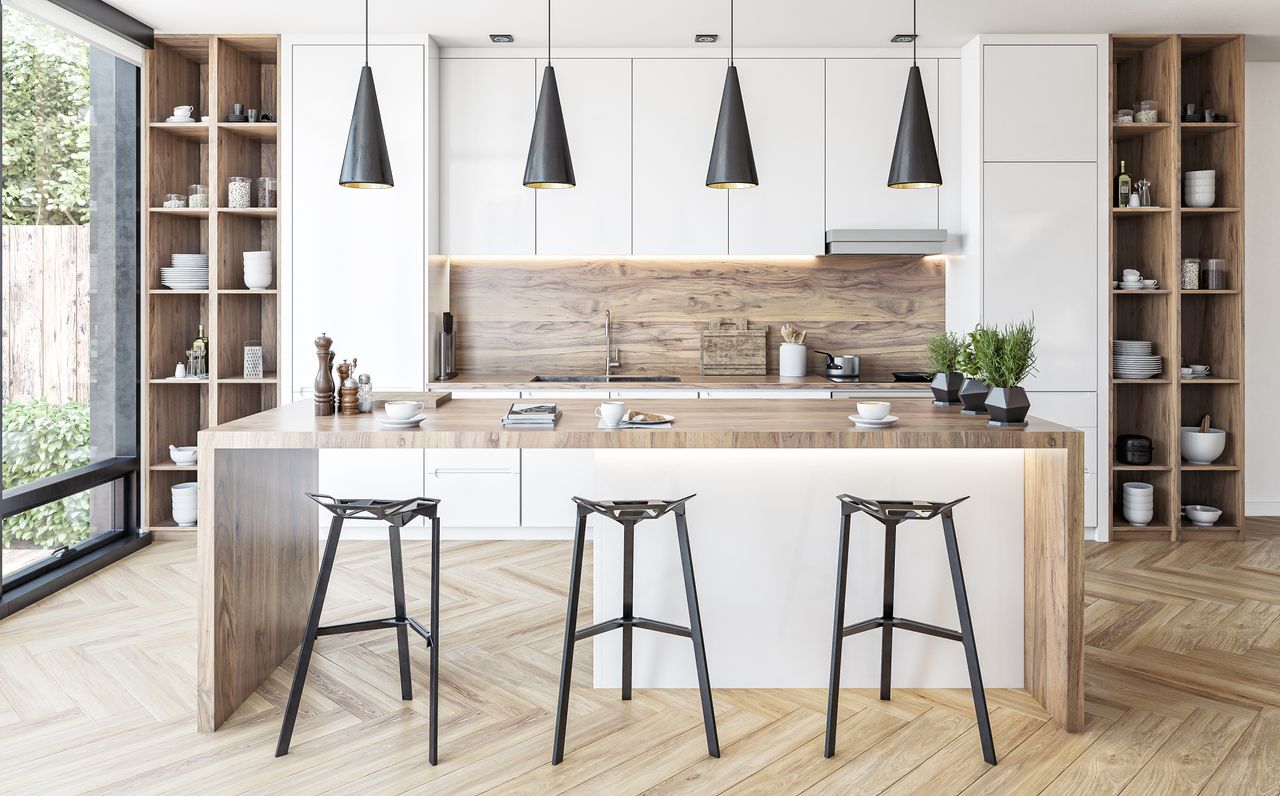
- Indoor carpets protect hardwood floors. Use area rugs in high-traffic areas like entryways or in spaces where kids and pets play to prevent scratches.
- Removing shoes at the door is especially helpful to prevent damage from high heels and cleats. “Having guests and family remove their shoes before walking on your hardwoods can cut down on dirt and debris brought in on the shoes—unfortunately, this can act almost like sandpaper on the finish,” explains Turley. “This can dull or scratch the wood.”
- Create an area for removing and storing wet shoes during rainy or snowy weather. Water and ice-removing agents from shoes and boots can damage the floor. Clean any puddles as soon as possible.
- Use protective pads under furniture that is moved often, like kitchen chairs or ottomans.
- Prevent dirt and grime buildup by cleaning the floors regularly.
Removing Stains From Hardwood Floors
During cleaning, check for stains from any spills or foot traffic and clean them as soon as possible.
- Use a mineral oil and apply it to the stain.
- Use a dry microfiber cloth to buff the stain away. “You don’t want to use that oil as a spot cleaner (like you would use Resolve on carpet),” warns Turley.
- “After you buff the stain, we suggest distributing the oil to a larger section on and around the original stain site,” Turley says. “Then, let it sit or ‘cure’ for several hours, and then wipe away with a clean dry microfiber cloth.”
How To Prevent Streaks On Hardwood Floors
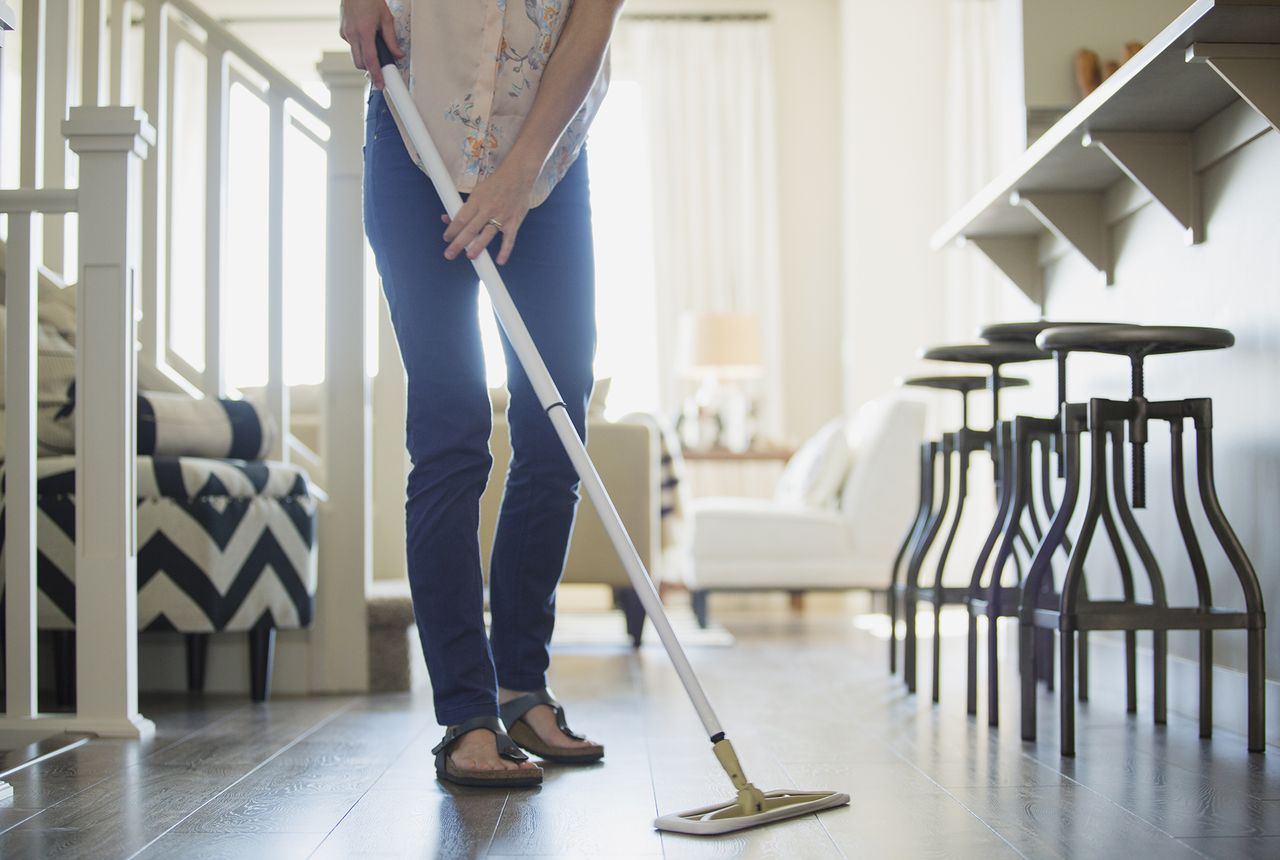
When mopping hardwood floors, keep them streak-free by first vacuuming and dry mopping the floor to get rid of dust. Choose cleaners specifically made for hardwoods, and don’t oversaturate the floor. Use a clean microfiber mop to clean in long strokes in the direction of the wood grain. Finish with a dry microfiber cloth to buff away any streaks and wetness.
Read the original article on Southern Living