Tycoon vs. Council: Gilbert’s £7.1m Home Redevelopment Clash
Property Tycoon in Planning Showdown Over Historic Mansion Transformation
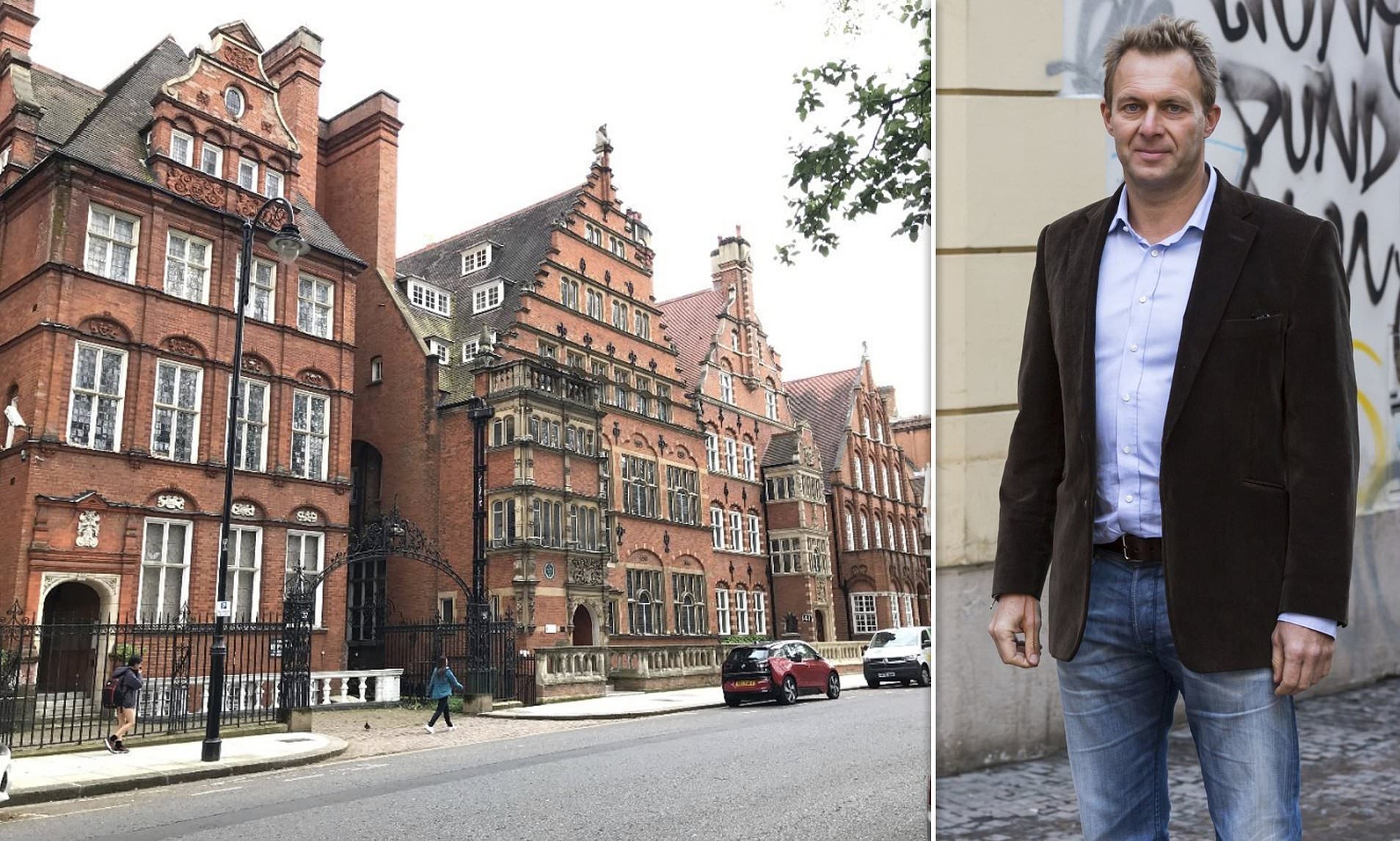
A high-stakes planning battle is currently underway as a prominent property tycoon clashes with council officials over his ambitious vision to convert a grand, historic residence into a sprawling family estate. The property in question is the former home of W.S. Gilbert, the celebrated dramatist of Gilbert and Sullivan fame.
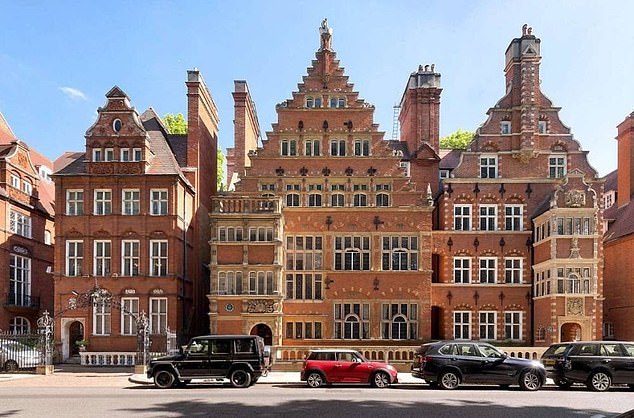
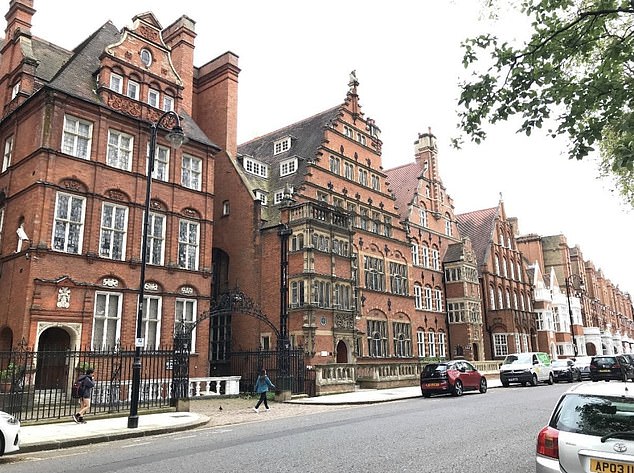
James Woolf, a private equity executive, acquired the magnificent 1880s residence for $7.1 million in 2023. His intention was to modernize the historic property, bringing its architectural splendor into the 21st century for his own family. The 12,000-square-foot house, located in the affluent South Kensington area of London and long regarded as an architectural gem, has remained vacant since Woolf’s purchase, entangled in a protracted dispute with planning authorities.
Woolf’s proposed renovations were extensive and aimed at reconfiguring the imposing structure to accommodate his “multigenerational family.” Key elements of his ambitious $6 million renovation plan included the installation of a modern elevator, the creation of a basement bar, and the addition of a wine cellar. The overarching goal was a complete restoration that would breathe new life into the historic property.
However, Kensington and Chelsea Council has repeatedly denied these proposals. The council’s primary objection centers on the argument that the proposed changes would irrevocably damage the heritage of Gilbert’s former home, which is a Grade II listed building.
Woolf, a father of five whose company specializes in the high-end restoration of historic buildings across Europe, including in Italy and the Czech Republic, has expressed frustration with what he describes as a “computer says no” attitude from council officials. He feels his family is left in limbo, with no clear timeline for when they might be able to occupy the property.
“I’m in property,” Woolf stated, highlighting his extensive experience with heritage sites. “The buildings that I own are some of the oldest in the Czech Republic. The oldest one dates back to the 15th century. We own a castle in Tuscany that dates back to the 10th century. It is the oldest castle and the highest in Chianti – Michelangelo visited there. So I would like to think I know a thing or two about heritage and preserving it.”

He contrasted his experiences in other countries with his current situation. “When I go to the heritage people in Czech, we have a discussion. When I go to them in Florence, in Italy, we have a discussion. My experience of them is that they get it – they want the buildings to work, not to sit there unused as relics. Then you come to Chelsea and it’s just a joke.”
Woolf characterized the council’s approach as uncompromising. “They don’t negotiate, they don’t compromise and they are completely intransigent,” he said. “What we are trying to do is not a lot – but it is ‘computer says no,’ every time. They simply don’t want me and my family moving into a 12,000-foot home. It’s perfectly obvious. They don’t care. They don’t care about the building.”
The Grade II-listed property had most recently served as corporate offices before Woolf’s acquisition, with aspirations to return it to its intended residential use. His plans also encompassed reconfiguring the upper floors to create a new master bedroom suite, adding en-suite bathrooms, and implementing modern amenities like underfloor heating and air conditioning. However, these efforts to modernize the Victorian house were ultimately rejected.
Kensington and Chelsea Council maintained that the proposed scheme would negatively impact the building’s “historic interest.”
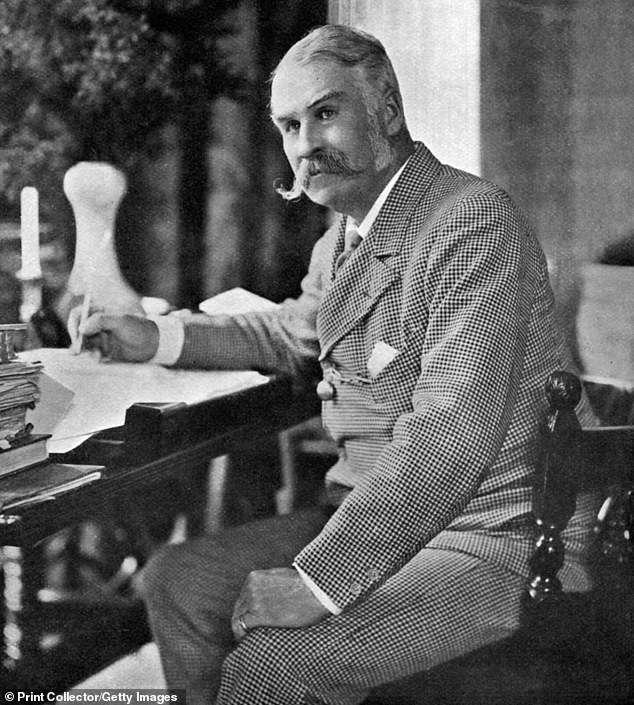
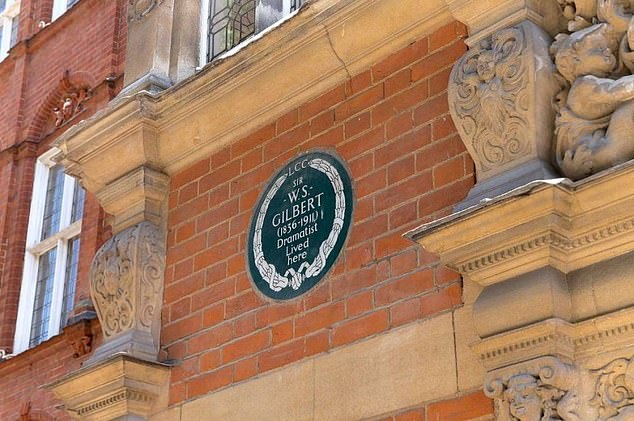
W.S. Gilbert resided at the property until 1889. It is believed he financed its construction with profits generated from “Patience,” the highly successful comic opera he co-created with Arthur Sullivan in 1881. During his tenure at the house, Gilbert completed the libretti for several other renowned operas, including “The Mikado,” “The Yeomen of the Guard,” and “The Gondoliers.” The residence even garnered admiration from Beatrix Potter, who described it as “a very handsome house indeed.”
A Glimpse into W.S. Gilbert’s Legacy
William Schwenck Gilbert was a pivotal figure in the Victorian era, celebrated as a dramatist, librettist, and poet. He is most famously recognized for his innovative work on comic operas, particularly “The Mikado.” Gilbert’s influence on the London theater scene was significant, with seven theaters opening with his plays. Among his most enduring works are “H.M.S. Pinafore,” “The Pirates of Penzance,” and “Iolanthe.” His contributions to the arts were acknowledged when he was knighted by King Edward VII in 1907. Gilbert tragically passed away at the age of 74 in 1911, after drowning while attempting to rescue a young swimmer on his estate in Harrow.
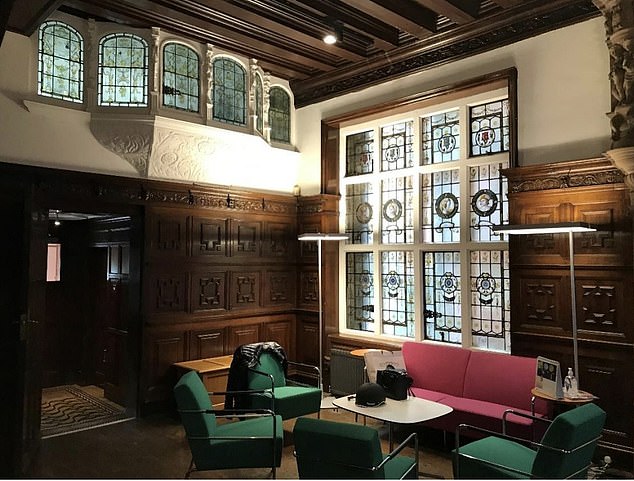
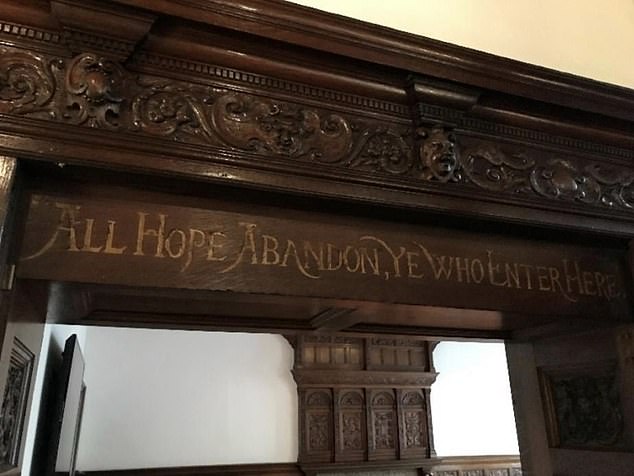
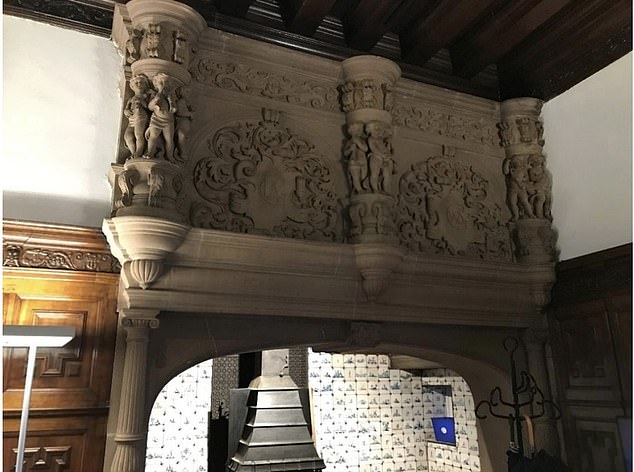
The grandeur of Gilbert’s former home is still evident, featuring remnants of its distinguished past. These include quirky quotations stenciled above doorways, characteristic of Gilbert’s wit, and his initials intricately incorporated into architectural details, such as an ornate chimney piece in the entrance hall.
Woolf, however, insisted that his proposed alterations were modest and primarily designed to restore the property to its original residential purpose. He accused council officials of being “aggressive, obtuse, dismissive” and unwilling to engage in constructive dialogue.
“The most important thing for this building, the most, is to restore it back to its original use as a home,” Woolf emphasized. “The listing is because of the unique facade and other elements, not because of the basement layout. But they are bureaucrats and they do not care about the building.”
He highlighted the broader implications of the stalled renovation. “The long and short of it is there is now 12,000 feet of residential space not being used in London,” he lamented. “I would move out of my house, which would free up my house because I would rent it. And then other people would move along the chain. But we are at a complete standstill. No work is taking place, there is no moving-in date, and the building is effectively frozen. The only person at the house is one security guard.”
The Planning Inspectorate’s Verdict
Woolf, whose company FlowEast is a significant British private investor in the Czech Republic, escalated his appeal to the independent Planning Inspectorate after his initial applications for internal and external alterations were denied. He argued that “significant enhancements” were essential to transform the house into a suitable family residence while simultaneously undertaking necessary restoration work.
Representatives acting on Woolf’s behalf contended that large houses of this caliber necessitate a lift for practicality and marketability. They also noted that affluent buyers in South Kensington have come to expect modern living standards, including open-plan layouts and en-suite bathrooms.
However, planning inspector Fiona Cullen ultimately ruled that the proposed changes would compromise the building’s historic layout and diminish its original character.
Cullen specifically stated that the open-plan basement design, which included a bar, seating, and lounge areas, would result in a “considerable loss of historic fabric” and a “marked erosion” of the basement’s original layout. While acknowledging that some heritage benefits, such as repairs to original wallpaper and damaged floorboards, would arise from the proposals, she concluded that these were “tempered by the scale of the proposal.” She determined that certain aspects of the scheme would “fundamentally disrupt the historic architectural, social and functional hierarchy of the floors within the building.”
In a prior appeal decision in December, the proposed lift was also deemed not to be “a fundamental necessity.” Furthermore, plans to install an air-conditioning unit on the roof were rejected last year.
Woolf’s agents reiterated that the scheme’s objective was to enhance living standards, improve energy efficiency, and ensure the building’s long-term viability as a single-family home. They stated, “The overall aim of the proposal is to make minor modifications and upgrades within the property so that it can effectively be utilized as a modern household and enjoyed by a multigenerational family.”
The Planning Inspectorate, however, concluded: “I recognize the desire of the appellant to adapt the building to ‘suit their needs’… however, heritage assets are required to be conserved in a manner appropriate to their significance. I conclude that the proposal would fail to preserve the special architectural and historic interest of the Grade II listed building.”
Subsequent applications have been approved in smaller, piecemeal forms, while others have been refused and are currently under appeal.
Impact on Future UK Investments
This protracted planning dispute has significantly deterred Woolf from investing in further properties within the United Kingdom. “This experience that I’ve had, there is zero chance I would buy a building with any form of listing in the UK again,” he declared.
He drew a stark comparison between his experience in the UK and his dealings in continental Europe. “People often rely on clichés like ‘Kafkaesque bureaucracy’ when discussing the Czech Republic or ‘systemic inefficiency’ in Italy. However, in my experience operating across all three markets, the Royal Borough of Kensington and Chelsea stands alone. What I have endured here is the most disingenuous approach to property planning I have ever encountered – a masterclass in administrative bad faith that makes Continental red tape look like a model of transparency. It is hard to see how anyone could be encouraged to take on heritage projects in this country. You’d have to be mad. There is no hope for the UK to generate the residential space the country needs.”
A spokesperson for Kensington and Chelsea Council responded, stating: “We recognize that unsuccessful appeals to the Planning Inspectorate can be disappointing. Our officers assess every proposal fairly and consistently against the relevant legislation and planning policies, balancing the need for buildings to remain usable with the duty to preserve their special architectural and historic interest.”
The spokesperson further clarified, “The property at Harrington Gardens is a nationally important Grade II* listed building and any decisions taken have been explained and justified against policy, with the applicant having the right to appeal to the Planning Inspectorate. We offer a full pre-application advice service and would welcome a discussion with the applicant on how best to move forward and respond to concerns raised by both the Planning Inspectorate and the local planning authority.”