From fallen branches to functional fencing: Make a DIY dead hedge
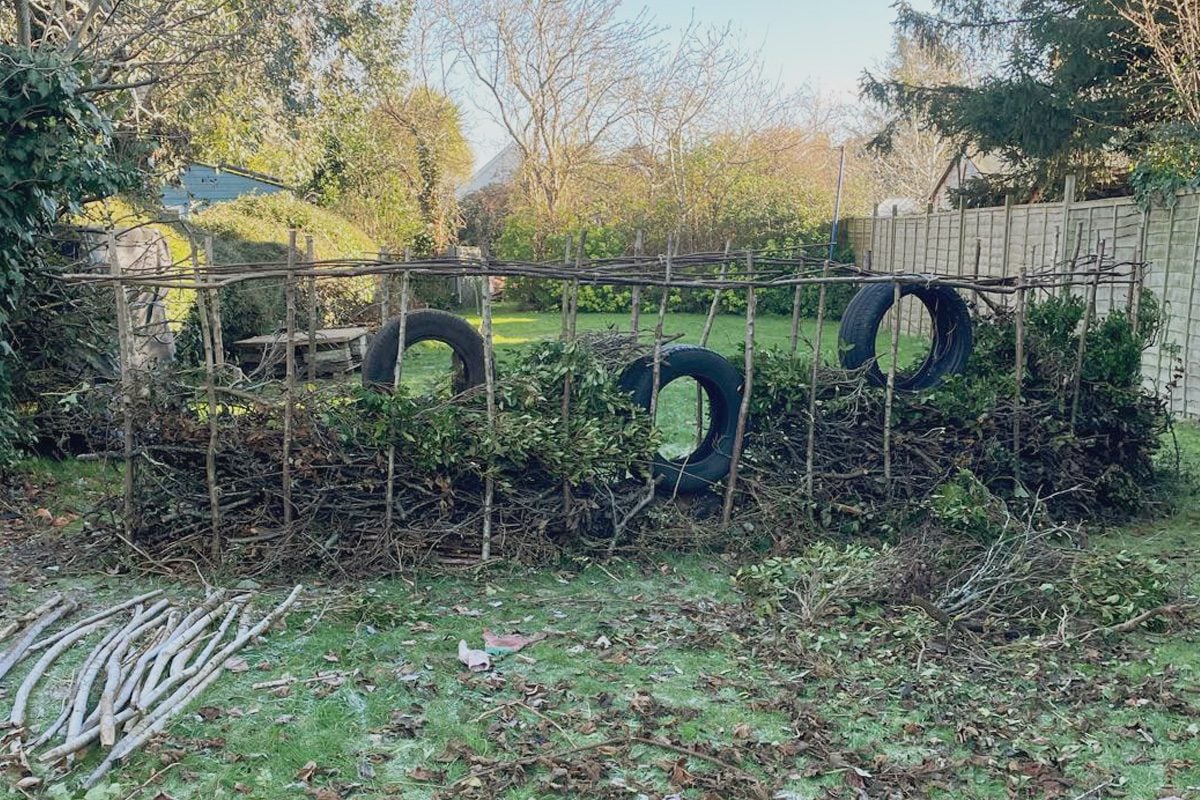
In an era defined by increasingly unpredictable weather patterns, homeowners are seeking innovative and environmentally conscious ways to shape their outdoor spaces. One such approach gaining traction is the construction of a “dead hedge,” a natural, living barrier that offers a wealth of ecological and aesthetic benefits. My neighbor’s intriguing twiggy structure, taking shape in her yard to create a sustainable, wildlife-friendly divider between her lawn and a planned wildflower meadow, sparked my curiosity. This DIY-friendly barrier is a prime example of transforming fallen branches and woody debris into something both practical and attractive.
To delve deeper into the art and science of building a long-lasting, climate-appropriate, and wildlife-beneficial dead hedge, I consulted with a professional horticulturist.
Understanding the Dead Hedge
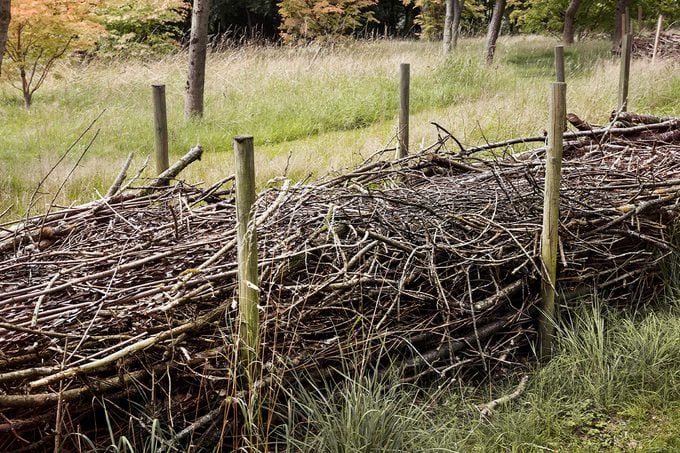
At its core, a dead hedge is a natural barrier meticulously crafted by loosely stacking and weaving branches, twigs, and other plant debris between two parallel rows of stakes. This simple yet effective method offers a dual purpose: reusing yard waste while simultaneously establishing privacy, fostering wildlife habitat, and adding structural interest to the landscape.
The concept of brushwood barriers has deep historical roots, having been employed across Europe for centuries to delineate property lines and safeguard woodlands. The modern iteration, however, was formalized in the 1980s as the “Benjes hedge.” This designation honors German landscape gardeners Hermann and Heinrich Benjes, who championed the practice as a means of repurposing pruning waste and encouraging natural regeneration.
Deryn Davidson, the Sustainable Landscape State Specialist for Colorado State University Extension, first encountered dead hedges during an internship at the renowned Kew Gardens in London. “I think dead hedges are more common in that part of the world, but that’s not to say that they can’t be built in the US, and that people don’t use them over here,” she observes. “In fact, I’ve seen them done here in a variety of different ways, and with inventive types of regional flair, which is cool.”
The Multifaceted Advantages of Recycling Branches into a Dead Hedge
Beyond its initial appearance of simply tidying up yard waste, a dead hedge offers a cascade of benefits that extend far beyond mere aesthetics. Davidson aptly describes these structures as “stacking functions,” highlighting their numerous contributions to a healthy ecosystem and a well-designed landscape.
- Eco-Friendly: This method champions sustainability by repurposing branches and yard waste that would otherwise be destined for landfills or incinerators. It’s a tangible way to reduce your environmental footprint.
- Boosts Biodiversity: The decomposing wood within a dead hedge becomes a haven for detritivores, a class of insects that play a crucial role in breaking down organic matter. These insects, in turn, provide a vital food source for birds and small mammals. Furthermore, the dense layers of the hedge offer much-needed shelter for a variety of wildlife.
- Improves Soil Health: As the organic materials within the dead hedge naturally decompose, they enrich the soil beneath, contributing valuable nutrients and improving soil structure over time.
- Provides Privacy and Wind Protection: When constructed with sufficient density, a dead hedge can serve as an effective natural screen, offering a sense of privacy and acting as a barrier against prevailing winds, creating a more sheltered microclimate in your garden.
- Supports Climbing Plants: The sturdy framework of a dead hedge can double as a natural trellis, providing excellent support for climbing plants such as squash, beans, or flowering vines, adding both beauty and function.
- Low-to-No Cost: Apart from the initial investment in stakes and basic tools, the primary cost associated with building a dead hedge is your time and effort. It’s an incredibly budget-friendly landscaping solution.
- Erosion Control: When strategically positioned along contour lines, a dead hedge can effectively halt soil erosion. “If placed strategically on the contour line, then anything that might erode is going to stop at the fence,” Davidson explains. It’s crucial, however, to ensure your dead hedge is robust enough to fulfill this function effectively.
Crafting Your Own Dead Hedge: A Step-by-Step Guide
Building a dead hedge is an accessible project for most homeowners. The essential tools typically include a mallet, pruning shears, sturdy stakes, a collection of branches, and a touch of creativity.
-
Select the Ideal Location:
The placement of your dead hedge should align with its intended functions and the specific conditions of your yard. Consider whether it will mark a property line, divide distinct garden zones, create a private retreat, or serve as a vital wildlife corridor. In areas prone to wildfires, careful consideration of placement is paramount. “It doesn’t mean you can’t have them, but be much more thoughtful about where it is in relation to other structures,” advises Davidson. -
Install the Support Posts:
Begin by driving sturdy stakes into the ground. Position them in two parallel rows, maintaining a spacing of approximately 3 to 5 feet apart along each row. The distance between these two rows should range from 12 to 25 inches, determining the final thickness of your hedge. The long-term success of your dead hedge hinges on selecting robust posts, positioning them correctly, and ensuring they are firmly anchored. As Davidson points out, “You don’t want to put all the time and effort in, and then strong winds come in and knock it over.” -
Layer and Weave the Debris:
Start by laying thicker branches at the base of the structure to provide a solid foundation and enhance stability. Subsequently, stack smaller cuttings on top. For added cohesion and a more aesthetically pleasing finish, weave longer, more flexible branches horizontally through the stacked material. The inherent beauty of a dead hedge lies in its organic nature; perfection is not the goal. A few strategically protruding twigs can lend a charming rustic character and provide convenient perches for visiting birds. -
Continuous Addition and Maintenance:
A dead hedge is a dynamic and ever-evolving structure. Periodically press down the woody materials to maintain their compactness, and continue to add new prunings as they settle. This ongoing process helps to preserve the hedge’s height and density over time, ensuring its continued functionality and visual appeal.
Tips for Building Durable and Beautiful Dead Hedges
Dead hedges can range from rustic and wild to refined and manicured, or somewhere beautifully in between. These expert tips will guide you in achieving your desired form and ensuring the longevity of your creation:
- Integrate Living Elements: “This knits everything together, and then you get to appreciate the flowers and leaves,” Davidson suggests. Incorporating living shrubs or vines not only enhances the hedge’s structural integrity but also provides improved privacy and introduces captivating seasonal interest with blooms and foliage.
- Select Rot-Resistant Posts in Wet Climates: In regions with high rainfall or consistently damp conditions, opt for rot-resistant wood for your posts. Cedar is an excellent choice known for its durability in such environments.
- Construct Against Existing Fencing: Building your dead hedge alongside an existing fence can provide significant stability and also serve to improve the visual appeal of less attractive boundaries, such as chain-link fences.
- Watering in Dry Climates: “If you wanted it to function like a natural screen or an aesthetic piece that also has that decomposition value, people will actually water their compost piles in drier areas,” Davidson notes. In arid regions, providing supplemental water can aid in the decomposition process, enhancing the soil-enriching benefits.
- Let Local Materials Inspire Your Design: Embracing materials that are naturally abundant in your region will help your dead hedge seamlessly blend into the surrounding landscape, creating a unique and contextually appropriate feature. Davidson has observed striking examples in Tucson, where saguaro ribs and other cactus skeletons were used to construct dead hedge-style structures, resulting in architectural facades with a distinct Southwestern character.
Frequently Asked Questions About Dead Hedges
What type of branches are best for a dead hedge?
“There’s definitely plant material that is going to lend itself more to being part of the structure, but also prioritize using what you have,” Davidson emphasizes. Utilizing local, readily available materials is key to a truly sustainable project. Flexible green branches, such as willow, are easier to bend and weave, while drier sticks are excellent for stacking and adding bulk. It’s advisable to avoid aggressive species like blackberry if you wish to prevent unwanted, excessive regrowth.
Are dead hedges secure?
A well-constructed dead hedge can effectively deter casual foot traffic and clearly define boundaries. However, it should not be considered a high-security fence. For enhanced protection, consider incorporating thorny branches into the structure or combining your dead hedge with existing fencing or dense living shrubs.
How much maintenance does a dead hedge need?
Dead hedges are characterized by their low-to-no maintenance requirements, a fact that Davidson assures should not deter potential builders. “You’re going to continue to have a relationship with it,” she explains. This ongoing relationship involves adding new material as branches settle, repairing any loose sections as needed, and diligently removing invasive weeds that could potentially overwhelm the structure.
Is a dead hedge safe for families with young children?
A thoughtfully constructed dead hedge can be a safe and beneficial addition to family yards. However, it is essential to conduct regular checks for any shifting materials, protruding branches at eye level, or loose posts to ensure continued safety.
About the Expert
Deryn Davidson serves as the Sustainable Landscape State Specialist for Colorado State University Extension. Her academic background includes a Bachelor of Science in Horticulture from CSU and a Master of Landscape Architecture from the University of Arizona.