Popular tile options and the spaces they suit best
Choosing the right tile for your home renovation project is a significant design decision, and it’s one that carries considerable weight. Given the expense of installation and the difficulty of replacement, tile selection should never be an impulse choice. A wise approach begins with defining your personal style and budget, then identifying materials and tile sizes that align with your vision. This guide delves into the various types of tile you’ll encounter, explaining how material and size choices impact your project’s final aesthetic, cost, and ongoing maintenance requirements.
We’ve gathered insights from seasoned professionals in the tile industry to help you navigate this process. Our experts include Fiorella Cosgrove of Cortina Tile, Elizabeth Legault from Best Tile, and Schannon Yodice of That Tile Chick.
Understanding Tile Materials: A Spectrum of Options
Tile materials offer a vast range, from opulent natural stones to budget-friendly manufactured alternatives. These differences directly influence cost, installation complexity, and the level of maintenance required. In terms of longevity, any tile that is properly installed, barring exceptionally low-quality products, is designed to last for decades. The reality is that most tiles become outdated and go out of fashion long before they physically wear out. To circumvent the need for premature removal due to shifting design trends, consider opting for timeless tile styles.
Marble: The Classic Elegance
Marble tile is a versatile choice, suitable for flooring, countertops, shower walls, and backsplashes. However, it’s important to note that marble is not a low-maintenance material. It demands careful cleaning and periodic sealing to effectively prevent staining. As Fiorella Cosgrove advises, “You can use it anywhere, just know your traffic pattern.” While often favored for areas with less foot traffic, such as powder rooms, marble also finds significant application in backsplashes, entryways, and hearths.
Granite: Durability Meets Style
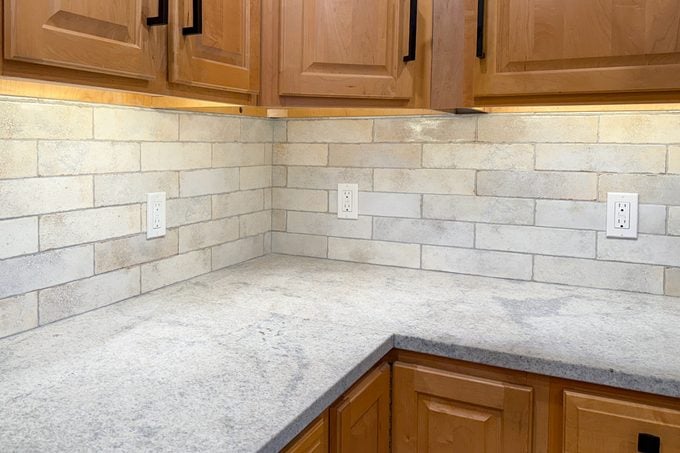
Granite tile boasts a superior hardness and reduced porosity compared to marble, making it an excellent candidate for high-traffic flooring in kitchens, entryways, and bathrooms. Its applications extend to backsplashes and shower walls as well. Like marble, granite requires regular sealing, but it exhibits a greater resistance to stains.
Ceramic: The Versatile Workhorse
Durable and economical, ceramic tile is an excellent choice for spaces that experience significant wear and tear. Cosgrove explains, “It’s a fired clay with a glazed surface,” which also makes it an ideal partner for radiant flooring systems, ensuring even heat distribution throughout the tile. Ceramic tile’s extensive variety in size, style, and shape contributes to its remarkable versatility and ease of cutting and installation.
Porcelain: The Near-Impervious Choice
Porcelain is a remarkably hard, manufactured tile that is virtually impenetrable to water. Cosgrove elaborates, “It’s made from minerals, so is far less porous,” a characteristic that has cemented its popularity for outdoor applications, bathrooms, and kitchens. It also demonstrates exceptional resilience in high-traffic environments.
Glass: The Dazzling Accent
Glass tile is best utilized as a striking feature wall, a captivating backsplash, or a decorative accent. It is not recommended for flooring applications. Due to its unique properties, glass tile necessitates professional installation. Schannon Yodice emphasizes, “Glass tile is a special tile and should be installed by someone skilled with that material, as it takes special blades, cutting techniques and installation techniques.”
Navigating Tile Sizes: Impact on Aesthetics and Functionality
While it’s technically possible to use any tile size in any application, certain sizes naturally lend themselves better to specific uses. Cosgrove notes, “What you want the space to look like will depend on the size tile to use.” A key consideration with smaller tiles is the increased amount of grout, which translates to more cleaning and maintenance, particularly on floors.
Mosaic Tile: Intricate Detail and Flexibility
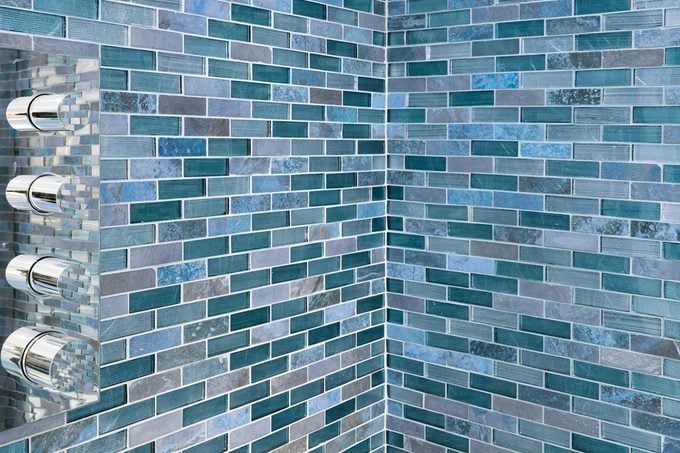
Composed of small tiles connected by netting on the back, mosaic tiles are a favored selection for shower floors and accent features. Elizabeth Legault points out, “For showers with a center drain, the floor will need to be pitched. Mosaic tiles are easier to create this pitch due to their small size.” This ease of creating the necessary slope is crucial for proper drainage in shower areas.
Subway Tile: A Timeless Classic, Evolved
Subway tile continues to be a popular choice for contemporary homes, though often in dimensions larger than the traditional 3×6 inch format. Legault observes, “People are moving to slightly bigger subways, like 3×12’s and 2 ½ x 8’s, but it’s still primarily used for shower walls and backsplashes.” This enduring style offers a clean and versatile look.
12×12 Tile: A Resurgent Favorite
While its popularity may have waned in recent years, the 12×12 inch tile is experiencing a resurgence, according to Legault. “Checkerboard floors are starting to see a resurgence, and people are using 12x12s to get that look,” she states. This classic size offers a balanced aesthetic for various applications.
12×24 Tile: The Modern Standard
A highly favored option, 12×24 inch tile is most commonly employed for flooring but can also be effectively used on shower walls. Legault explains its appeal: “The larger tiles need less grout, which means less maintenance.” This reduction in grout lines simplifies upkeep and contributes to a more seamless visual appearance.
Large Format Tile: The Pinnacle of Modern Design
The most significant trend in tile sizing is the rise of large format tiles, which encompass any dimensions exceeding 12×24 inches. Cosgrove notes, “We’re seeing things larger and larger. Larger tiles look more modern and sleek – and people don’t like lots of grout.” These oversized tiles can be applied to backsplashes, floors, and shower walls. However, it’s important to recognize that large-format tiles present greater installation challenges and frequently require professional expertise.
Frequently Asked Questions About Tile Selection
Can I use the same tile for both my bathroom floor and shower walls?
“Yes, you can use the same tile for bathroom floors and walls if that tile is suitable for that space,” answers Yodice. “It depends on the project and use.” She cautions that standard wall tile may not possess the durability required for a main bathroom floor that experiences substantial traffic.
What is a PEI rating, and why is it important?
The PEI rating, established by the Porcelain Enamel Institute, quantifies a tile’s resistance to wear from foot traffic. Cosgrove explains, “PEI ratings are one to five. One is wall tile, two is light traffic, three is any residential room, four is light commercial use, and five is heavy commercial traffic like bus stations or airports. It’s all about glaze strength.” This rating is a critical indicator of a tile’s suitability for different environments.