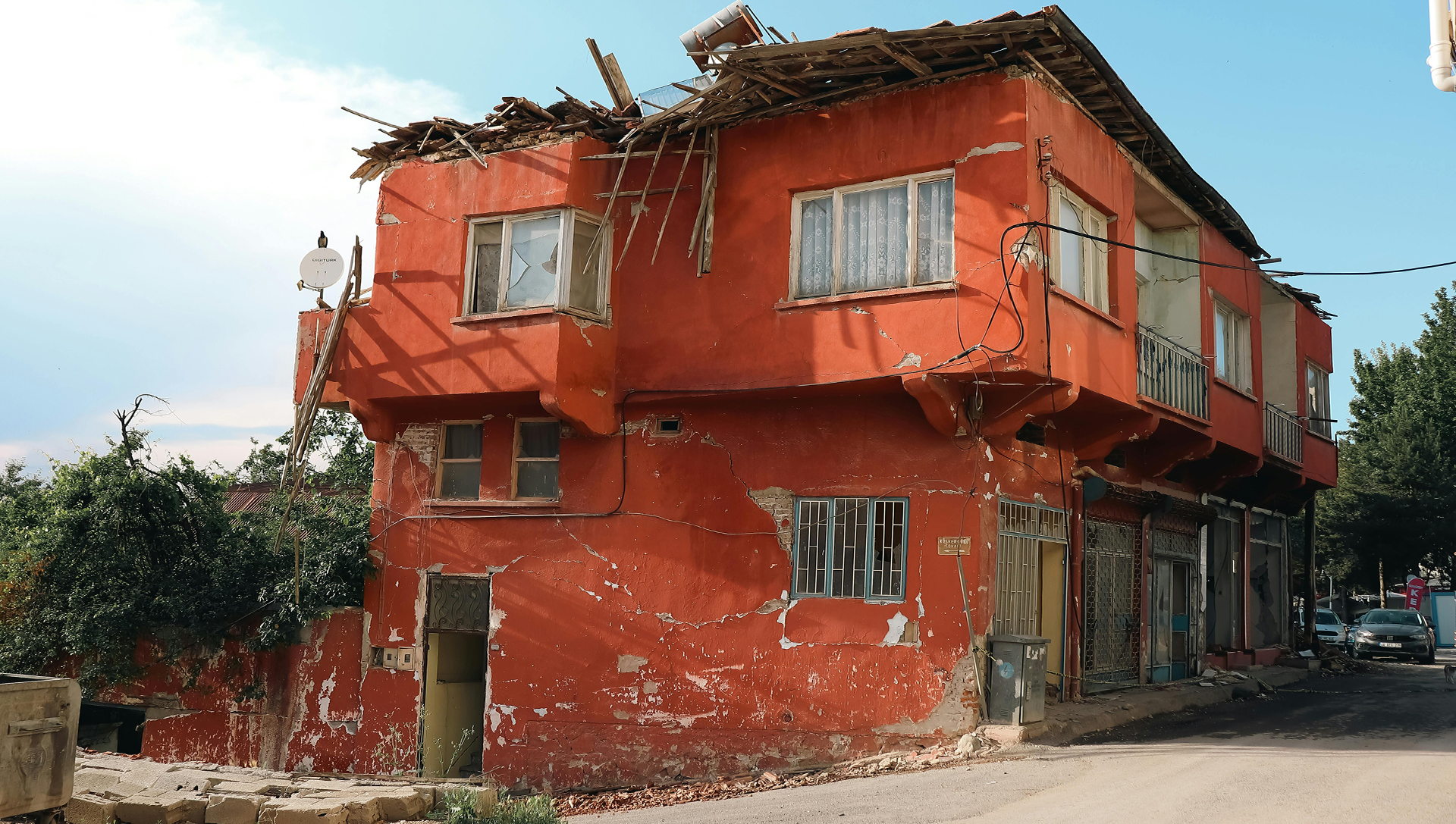
Why the Ground Under Some U.S. Homes Is Slowly Sinking: Why Experts Are Warning That Most People Don’t Even Realise Their Property Is At Risk.
Most homeowners don’t really notice anything is wrong at first. There is no loud bang, no sudden shaking, and definitely no immediate collapse that makes you run for the door. Instead, the changes are so small they are almost invisible to the naked eye. You might see a tiny crack in the drywall near the ceiling or notice that the kitchen door doesn’t click shut quite as easily as it used to. Maybe the floor feels just a tiny bit uneven when you walk across it in socks. It’s incredibly easy to ignore these things because they happen in almost every house as it gets older. We just call it settling and move on with our day. But in many parts of the United States, these subtle little signs might be pointing to a much bigger problem happening deep beneath the surface. Experts are starting to warn that land subsidence, which is basically the slow sinking of the ground, is affecting way more areas than people realise. For many families, this isn’t just a minor repair issue. It’s a risk that can impact your property value, your safety, and the long-term stability of your biggest investment.
The first signs are often hiding in plain sight.
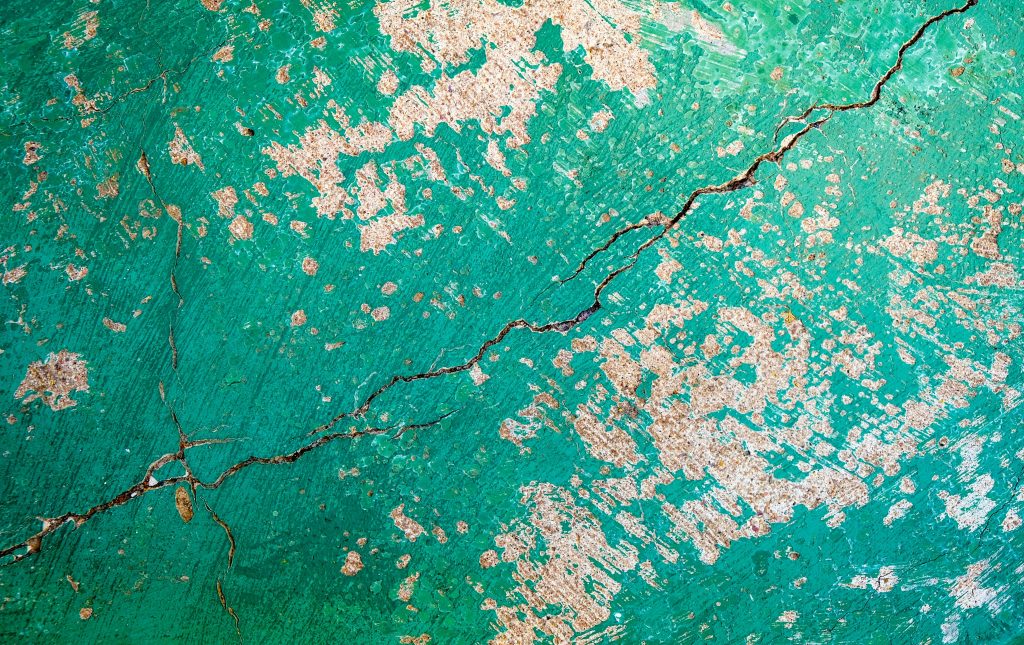
The earliest signs that the ground is moving under your house are rarely dramatic. You aren’t going to wake up in a hole. Instead, you are going to see minor structural shifts that are very easy to dismiss as normal wear and tear. You might notice a zigzag crack in the brickwork outside or a thin line running across the foundation in the basement. Experts explain that because these changes happen so gradually, it’s really hard for the average person to connect them to a larger geological issue.
What feels like a house just getting a bit creaky with age can actually be the first visible effect of the earth shifting. It’s really important to recognise these early signs before the problem gets more serious. If you ignore a sticking window for three years, you might eventually find out that the entire frame is warped because the house is tilting. By then, the fix is going to be a lot more expensive than if you had checked the soil earlier.
Why Groundwater Overuse Is a Major Culprit
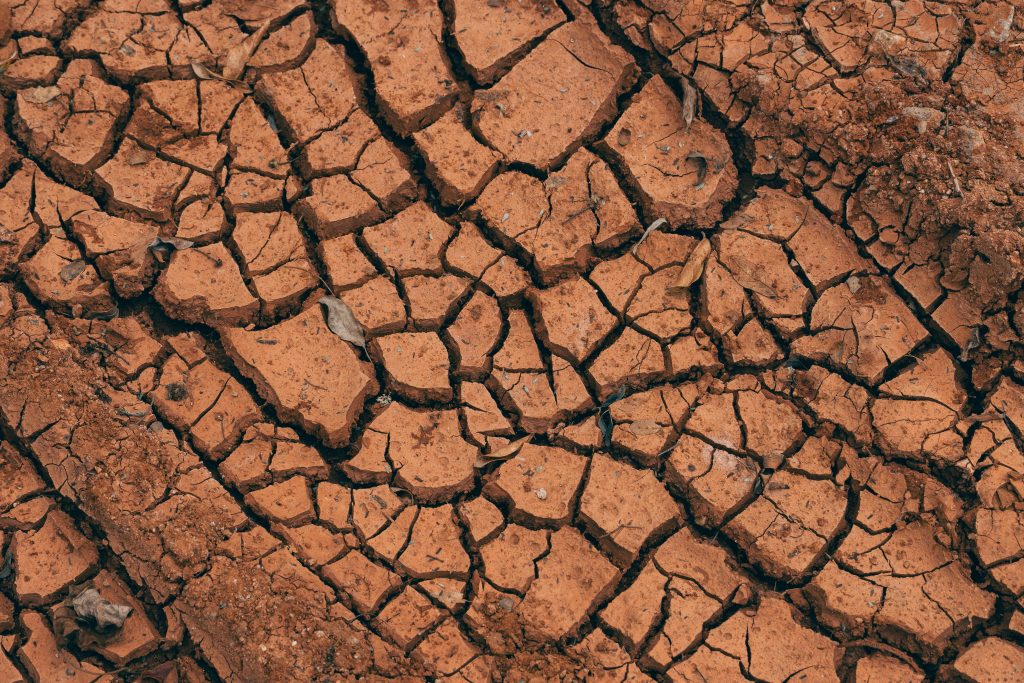
One of the biggest reasons why land is sinking in America is actually because of how we use water. In a lot of regions, we are pumping water out of underground aquifers much faster than the rain can put it back in. The ground could be like a big wet sponge. The sponge stays thick and strong when it is full of water, which keeps everything on top of it. But the sponge dries out when we take all that water out for farms or big cities. Once it’s dry, the weight of the houses and roads above causes the soil to compact and collapse. Experts say that once this soil is crushed down, it can’t ever go back to its original shape. This leads to a gradual sinking effect that can swallow inches of elevation every single year. It’s a slow process that you won’t see today or tomorrow, but over a decade, it can change the entire landscape of a neighbourhood. This is especially true in places with heavy agriculture where the demand for water is constant.
How Soil Composition Changes Everything
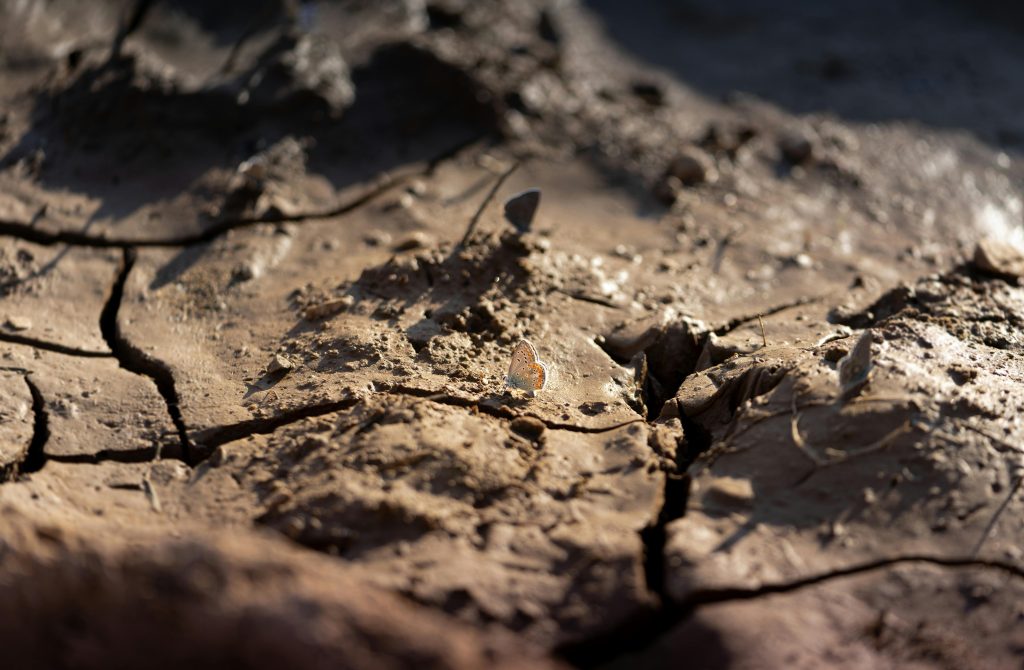
Not every piece of land reacts the same way when the environment changes. The specific type of soil sitting under your foundation has a huge impact on how stable your home is going to be. Experts have found that clay-heavy soils are some of the most vulnerable. These types of soil act like a weird kind of bellows. They expand and get huge when they are wet, but then they shrink and crack when they get dry. This constant cycle of growing and shrinking creates a lot of movement over time. It basically keeps the ground in a state of flux. Homes built on this kind of unstable soil are much more likely to experience that gradual sinking feeling. Over time, the ground loses its ability to support the heavy weight of a house, leading to structural stress that eventually shows up as cracks in your walls or gaps in your flooring.
The Pressure of Modern Development
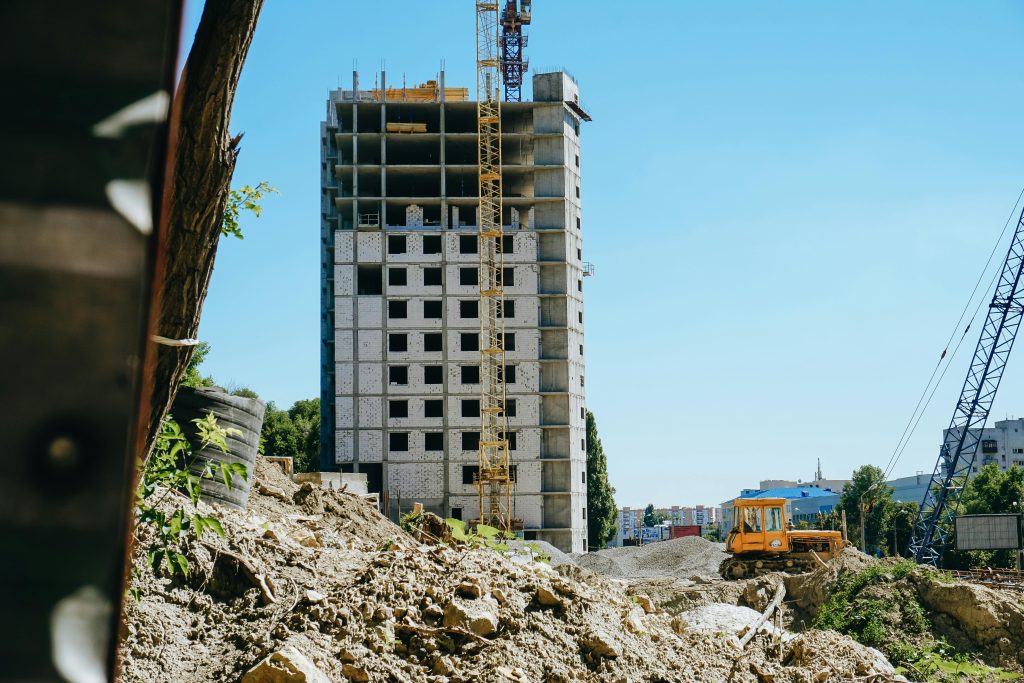
As our cities get bigger and more people move into suburban areas, the sheer weight of all that infrastructure adds even more pressure to the land. We are talking about millions of tonnes of concrete, steel, and asphalt. This added weight can actually speed up the natural process of sinking. Experts explain that when we build, we change the natural balance of the ground. We remove the trees and grass that used to soak up water, and we change how the rain drains away. All of this adds up to more instability. In places where there is a lot of development, these factors come together to make a high-risk environment. What looks like solid ground might actually be slowly giving way under the huge pressure of urban growth. This is a hidden cost of growth that many people don’t think about when they buy a new home in a developing area.
The Hidden Effect on Your Home’s Value

For many homeowners, the worst part isn’t just the damage to their homes but also what it does to their money. Sinking ground can absolutely tank the value of a property. When you go to sell a house, a savvy buyer is going to notice those cracks in the foundation or the sloping floors. Experts note that visible structural damage drastically reduces buyer confidence. People get scared that the house is a “money pit”.
Beyond the immediate financial hit, there’s the issue of long-term stability. A home that is built on shifting ground is always going to need more work. Because the house moved two inches, you might have to constantly replacing broken plumbing lines, filling in cracks, or levelling doors.It becomes a continuous cycle of maintenance that can drain your money and your thoughts.
Why We Tend to Ignore the Warnings
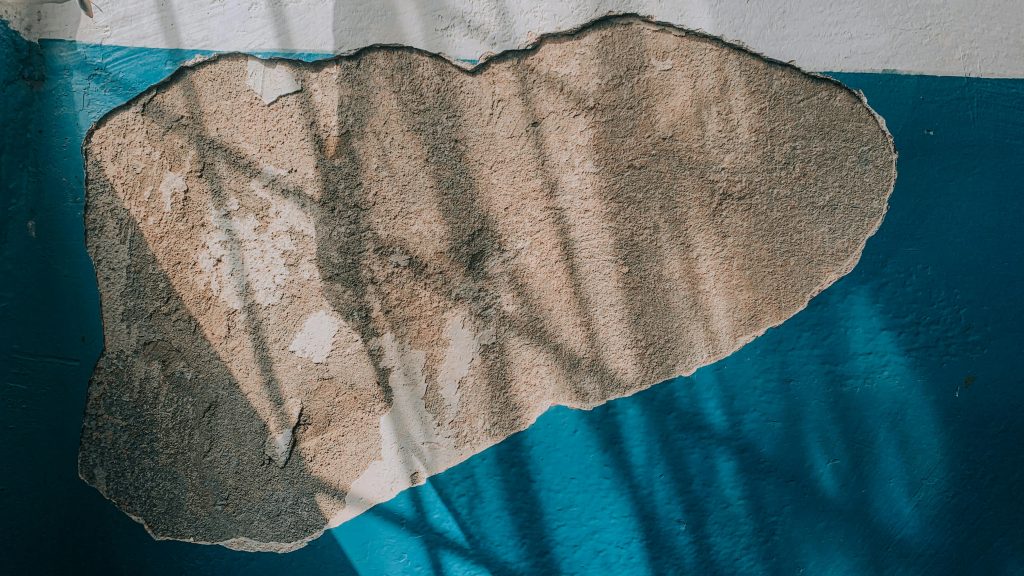
Because sinking happens so slowly, it’s really easy to overlook. We are busy with work, kids, and life. A small crack in the garage floor just doesn’t seem like a priority. Experts say that this delay in recognising the problem is actually what makes it so much worse. By the time the damage is big enough to be scary, the underlying geological issue is already very advanced. If you understand what to look for, you can respond much earlier. Awareness is honestly the best tool you have to protect yourself. It’s about paying attention to those small changes and not just assuming everything is fine because the house hasn’t fallen down yet.
What You Can Do to Protect Your Property
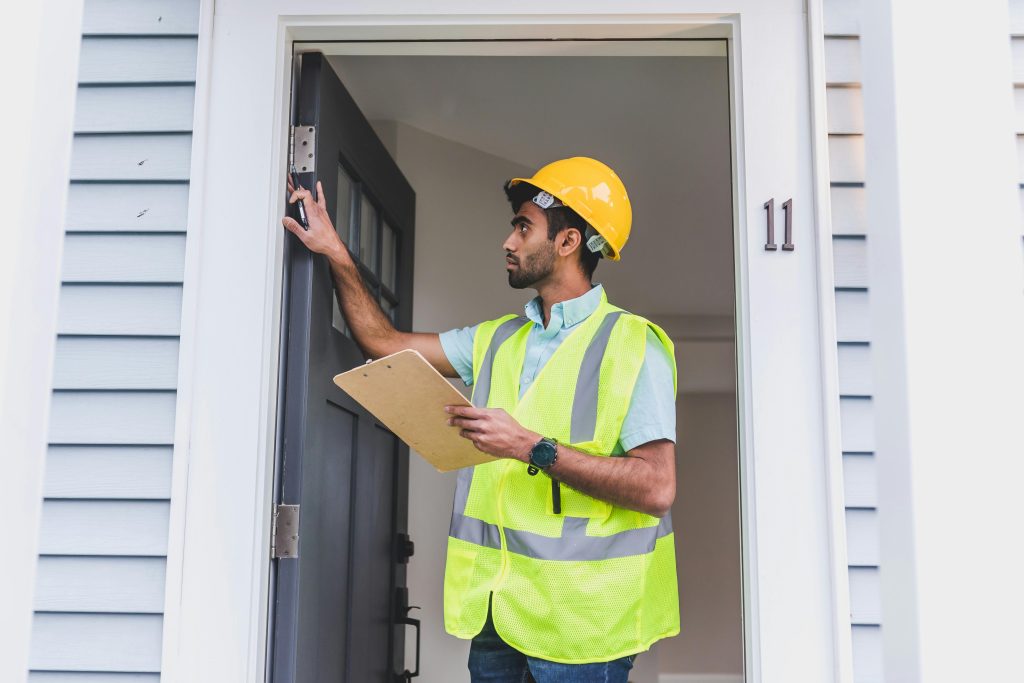
While you can’t stop the earth from moving entirely, there are ways to manage the risk. Experts suggest that a lot of it comes down to how we handle water around our homes. Being mindful of groundwater use is a start, but you also need to look at your own yard. Make sure your gutters are clear and that water is draining away from your foundation rather than pooling right next to it. A professional can help you find the first signs of movement that you might have missed by looking at your foundation every few years. Addressing a small shift now can prevent a massive structural failure ten years down the road. It’s all about being proactive instead of waiting for a disaster to happen.
Final Thoughts on a Solid Foundation
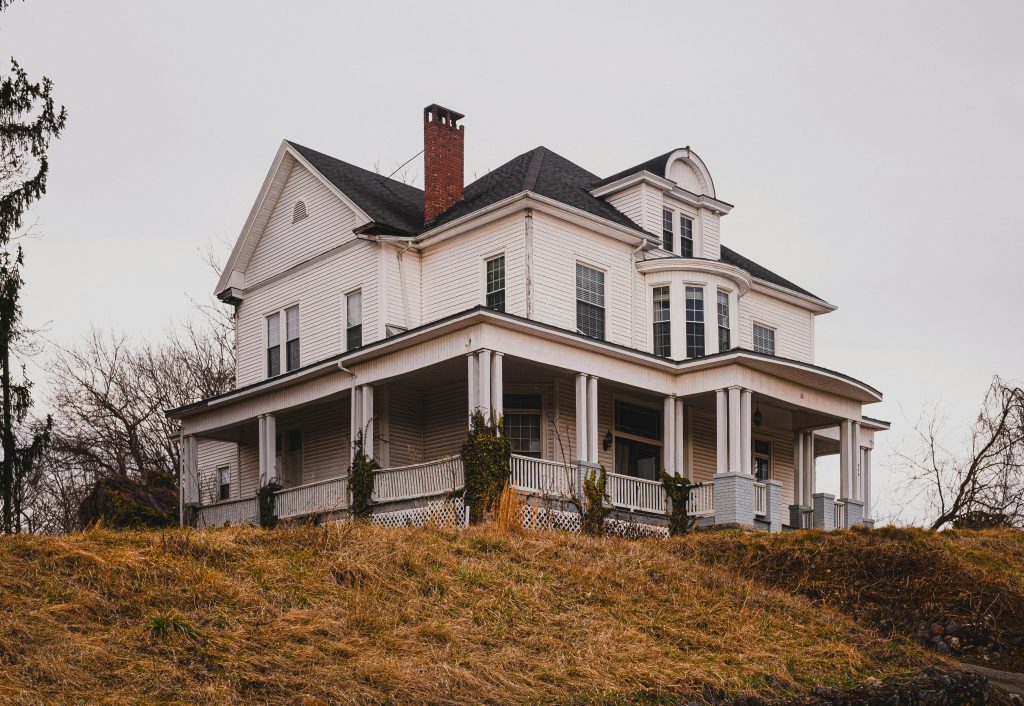
We usually take the ground for granted. We walk on it, build on it, and believe it will always be there. The truth is that the earth is always changing, especially where people are putting a lot of stress on it. We need to take land subsidence seriously because it is a slow, quiet problem. Experts say that the first step to staying safe is to know what’s going on under your feet. It may seem strange to think about the ground sinking, but knowing the risk will help you make better decisions for your family and home.