As Portugal’s Algarve Coast Goes High-Luxe, These Rural Farm Estates Are Refreshing Alternative
The Rural Renaissance: Portugal’s Farm Stays Offer Authentic Algarve Charm
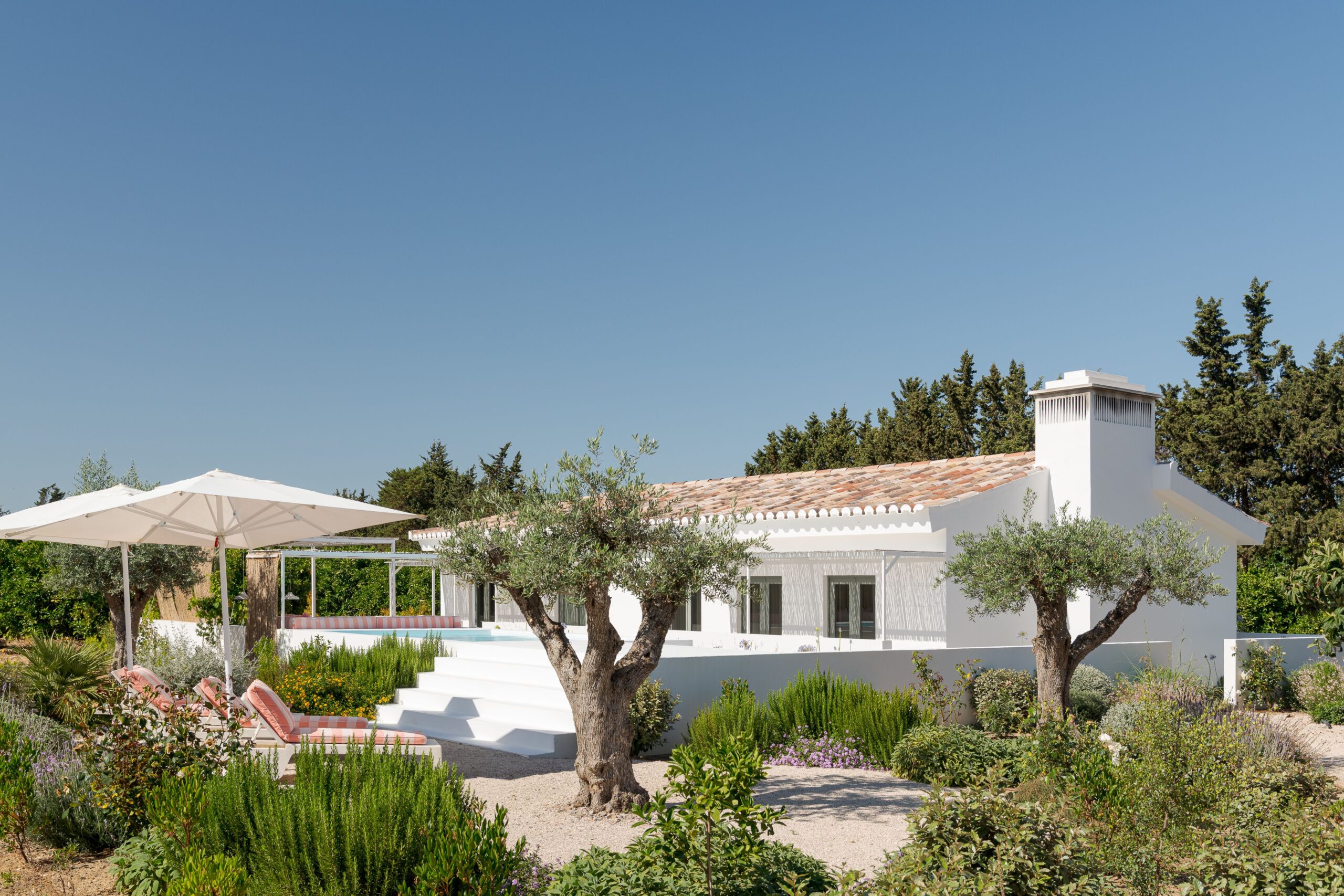
The journey to Quinta do Pinheiro is an invitation to slow down, winding through sun-drenched orchards and rolling pastures along Portugal’s southern coast. What begins as a dusty track, framed by pomegranate and fig trees with the Atlantic shimmering in the distance, culminates in the sight of an immaculate whitewashed farmhouse. This picturesque scene is becoming a familiar prelude to a new wave of hospitality sweeping across the Algarve.
For years, the Algarve has been a beloved seaside destination, drawing visitors from across Europe and, increasingly, the United States. While the region has seen a surge in modern resorts and chain hotels, a more profound transformation is underway: the revival of Portugal’s historic rural farm estates, known as “quintas,” into characterful boutique hotels. These are not mere imitations of rustic charm; they are thoughtful adaptive reuse projects that meticulously preserve Portugal’s vernacular architecture. Think lime-washed walls, traditional terracotta tiles, simple, elegant proportions, and the honest beauty of natural materials. Each property boasts its own unique restoration narrative, but their common thread is their origin as working farms, not simply as aesthetic endeavors.
This distinctly Portuguese approach is deeply rooted in the nation’s history of resourcefulness and restraint. Having navigated periods of dictatorship and long-standing economic challenges, Portugal developed a design philosophy grounded in practicality. Builders instinctively utilized local resources: cork, clay, stone, and wood. Today, rather than discarding this heritage in the name of tourism, hoteliers are embracing it, seamlessly blending preservation with contemporary architectural creativity.
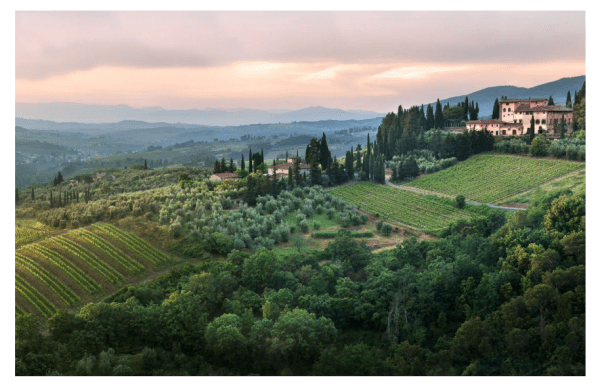
One of the pioneering estates to draw international acclaim for this philosophy was São Lourenço do Barrocal, an exquisitely restored 19th-century farmstead nestled in the Alentejo countryside. As this remarkable estate celebrates its tenth anniversary this year, its expansive 780-hectare landscape—comprising olive groves, vineyards, vegetable gardens, and wildflower meadows—remains a fully operational agricultural property, a testament to its enduring legacy.
A New Generation of Farmhouse Hospitality
My recent visit to Quinta do Pinheiro offered a firsthand experience of this burgeoning movement, introducing me to a new cohort of farmhouse hotels that have emerged in the last three years, following in the footsteps of pioneers like Barrocal. What sets these properties apart is their strategic location. They occupy pockets of the Algarve that have largely managed to sidestep the region’s more intense development. Instead of bustling resort towns and towering high-rises, these farmhouses are situated within protected coastal landscapes and serene countryside enclaves, offering a rare sense of tranquility for travelers seeking a peaceful summer escape along Portugal’s southern coast.
Quinta do Pinheiro: A Ria Formosa Gem
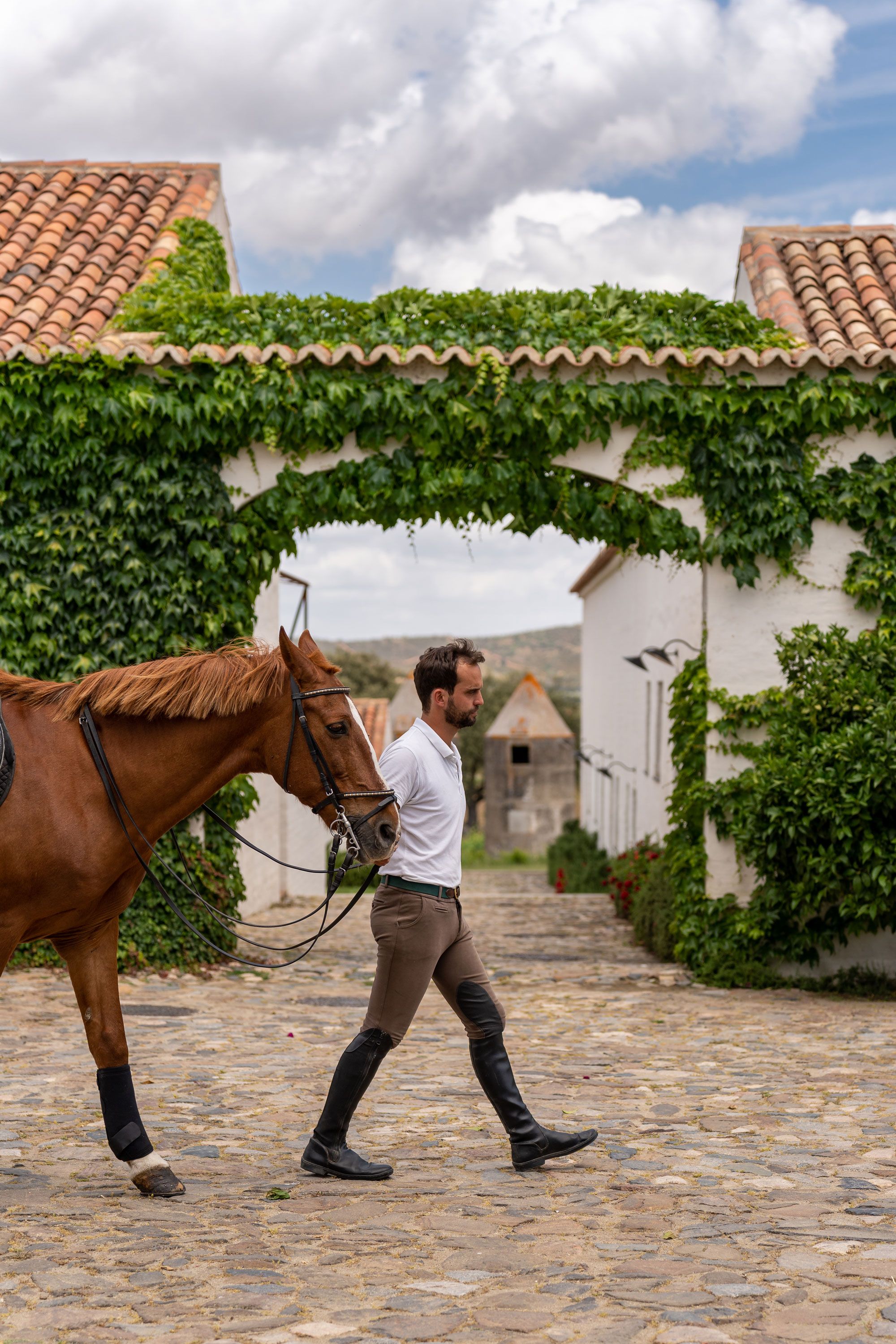
Quinta do Pinheiro, which opened its doors in 2025, is a collection of five charming houses spread across an 85-acre agricultural estate that dates back to the 1870s. This is still a working farm, boasting hundreds of avocado trees, a vibrant citrus orchard, sprawling olive groves, and a vineyard. Located near the historic town of Tavira, this stretch of coastline borders the protected Ria Formosa Nature Reserve. This reserve represents one of the last remaining unspoiled corners of the Algarve, a wild haven of tidal flats, oyster farms, and pristine barrier islands.
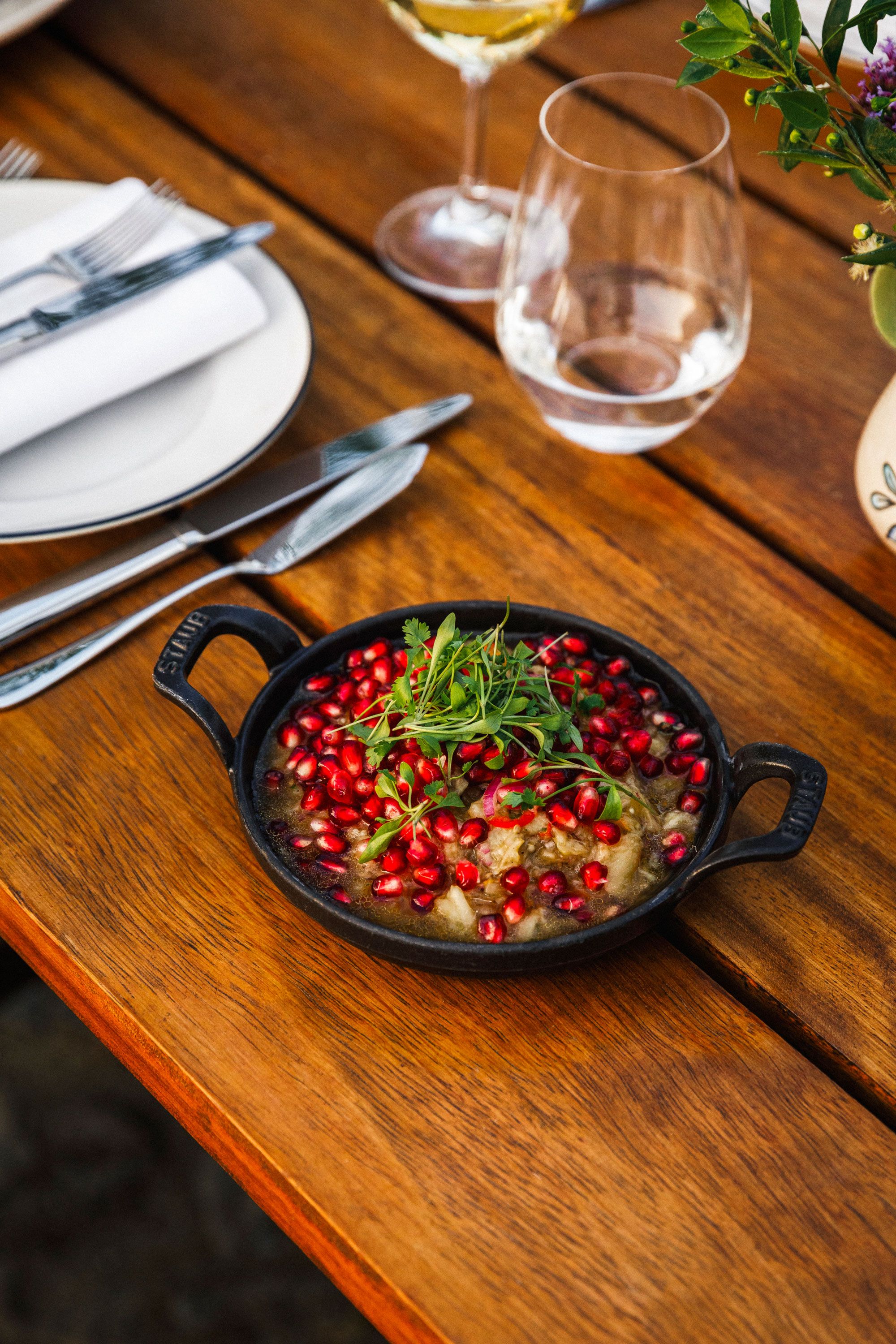
The property was acquired in 2021 by Dutch couple Martijn Kleijwegt and Monique Snoeijen. They entrusted the architectural vision to the Portuguese father-daughter team, Frederico Valsassina (architect) and Marta Valsassina (designer), who were tasked with preserving and enhancing the existing structures. During a delightful dinner with Kleijwegt and Snoeijen at Mesa Farta, a nearby restaurant celebrated for its seasonal menu rooted in authentic Portuguese flavors, the couple shared their initial dream of the property as a private family retreat. However, its inherent beauty and special character soon convinced them it was too magnificent to keep solely for themselves. The result is an experience that transcends the typical hotel, feeling more like a warm invitation into an exceptionally beautiful guesthouse, where profound solitude and comfort are offered without any pretense.
Cobblestone paths, bordered by fragrant herb gardens, lead to inviting two- and three-bedroom whitewashed cottages. Each cottage, while possessing unique interior details, offers spacious living areas and fully equipped kitchens. The design philosophy emphasizes simple, rustic materials that are nonetheless exquisitely beautiful. Expect handmade Santa Catarina terracotta floor tiles, walls finished with lime wash, and window frames and doors painted in the regional vernacular red. Furnishings are crafted from cork, wool, and wood by skilled local artisans. Adding to the property’s character are decorative pieces from the previous owner’s collection, including antique maps, vintage farm tools, and pottery vessels.
The most striking of the five cottages, and where I had the pleasure of staying, is Casa Celeiro. This former barn has been masterfully transformed, featuring soaring exposed rafter ceilings adorned with intricate wickerwork. A delightful outdoor terrace, perfect for enjoying a morning coffee, sits alongside the pool. The homestyle breakfast, delivered directly to your room, is a true indulgence: generous trays overflowing with fresh fruit from the farm, a selection of freshly baked breads and pastries, local farm cheeses, creamy yogurt, crunchy granola, and an array of homemade jams.
Guests have ample opportunities for exploration. They can cycle to the nearby shore, venture into Tavira to savor exquisite seafood, or embark on a solar boat excursion to one of the captivating barrier islands. A personal highlight of my restorative visit was a deeply relaxing massage administered by local wellness practitioner Michele Surya, who offers treatments in the privacy of your cottage.
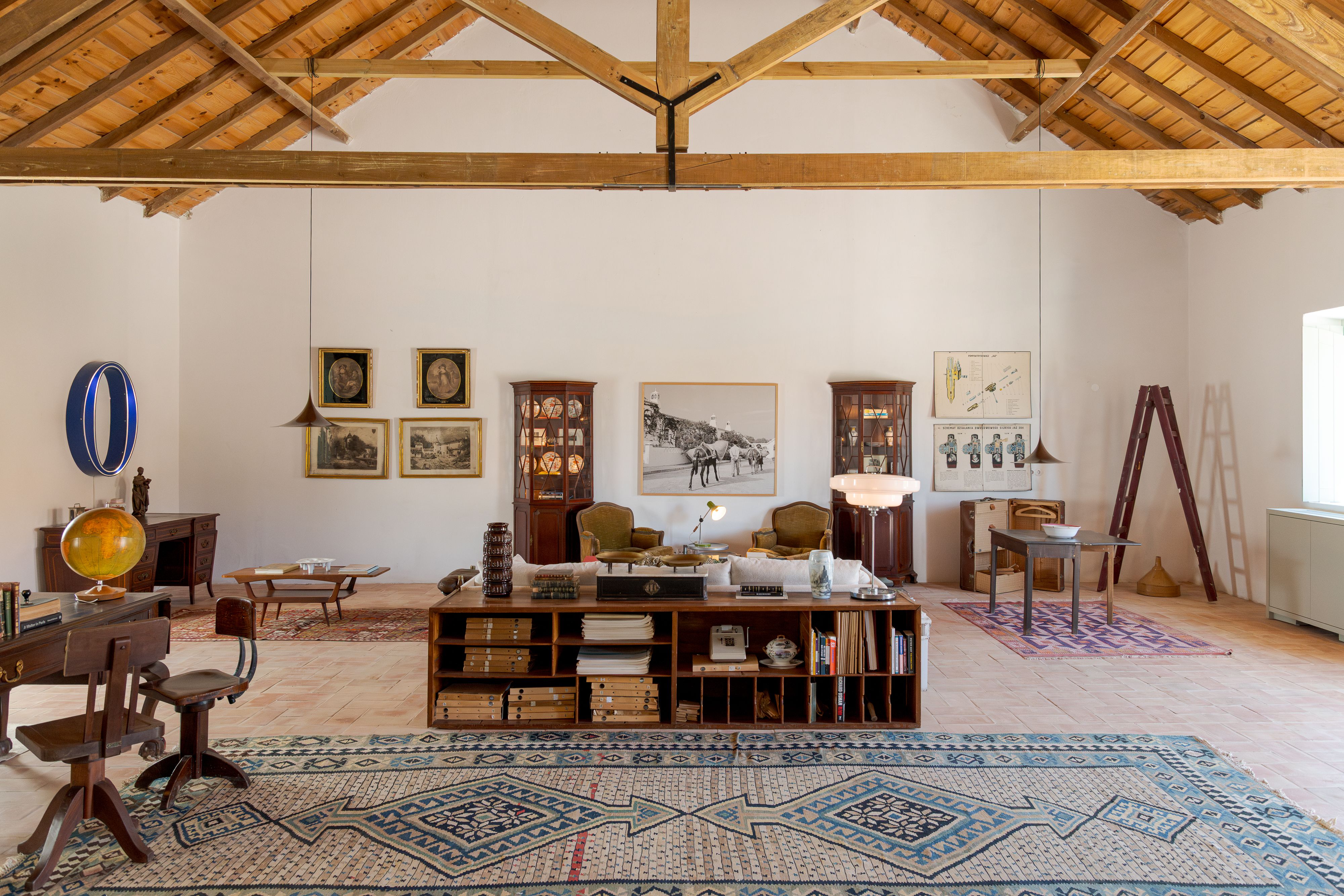
Casas da Quinta de Cima: A Five-Generation Legacy
In the charming village of Vila Nova de Cacela, close to the Spanish border, lies Casas da Quinta de Cima. This estate has remained within the same family for over a century, spanning five generations as a thriving agricultural enterprise before its transformation into a hotel in 2024. Architect João Pedro Falcão de Campos oversaw a sensitive restoration that meticulously preserved the property’s inherent character. Nine former farmworkers’ cottages have been artfully converted into spacious suites, each featuring kitchens, high ceilings, refreshing outdoor showers, and private terraces. For those seeking ultimate seclusion, two larger villas provide private gardens and pools.
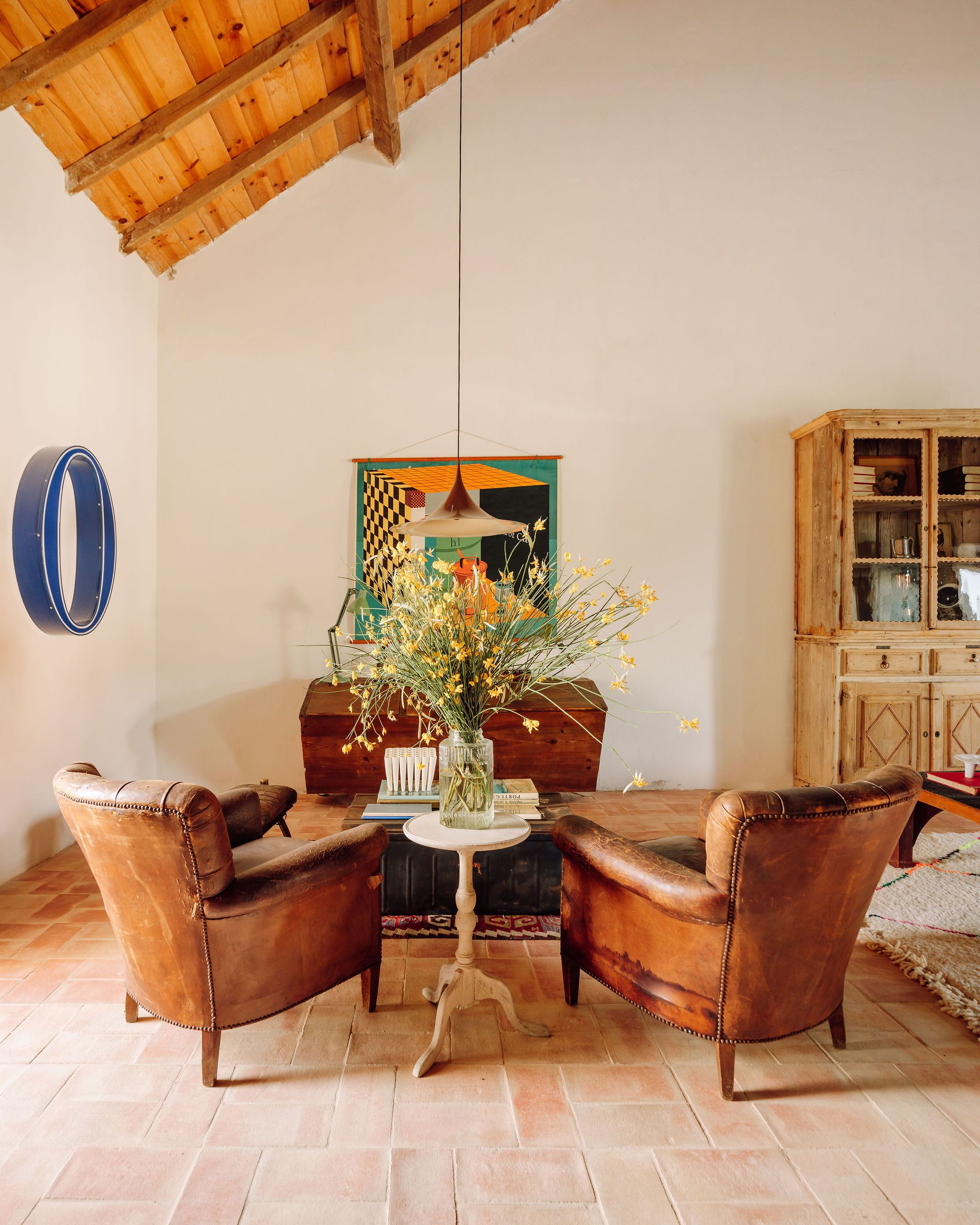
Even with the addition of modern amenities like a swimming pool and gym, the atmosphere remains resolutely agricultural. Citrus orchards stretch across the estate, and the breakfast experience is a true farm-to-table delight: organic eggs cooked to order, freshly squeezed orange juice, delectable citrus cakes, local farm cheeses, and avocados picked directly from the trees outside. The property’s location makes exploration a must; the beach at Cacela Velha, frequently lauded as one of the Algarve’s most beautiful, is just a short stroll away.
Amaria: Wild Atlantic Coast Serenity
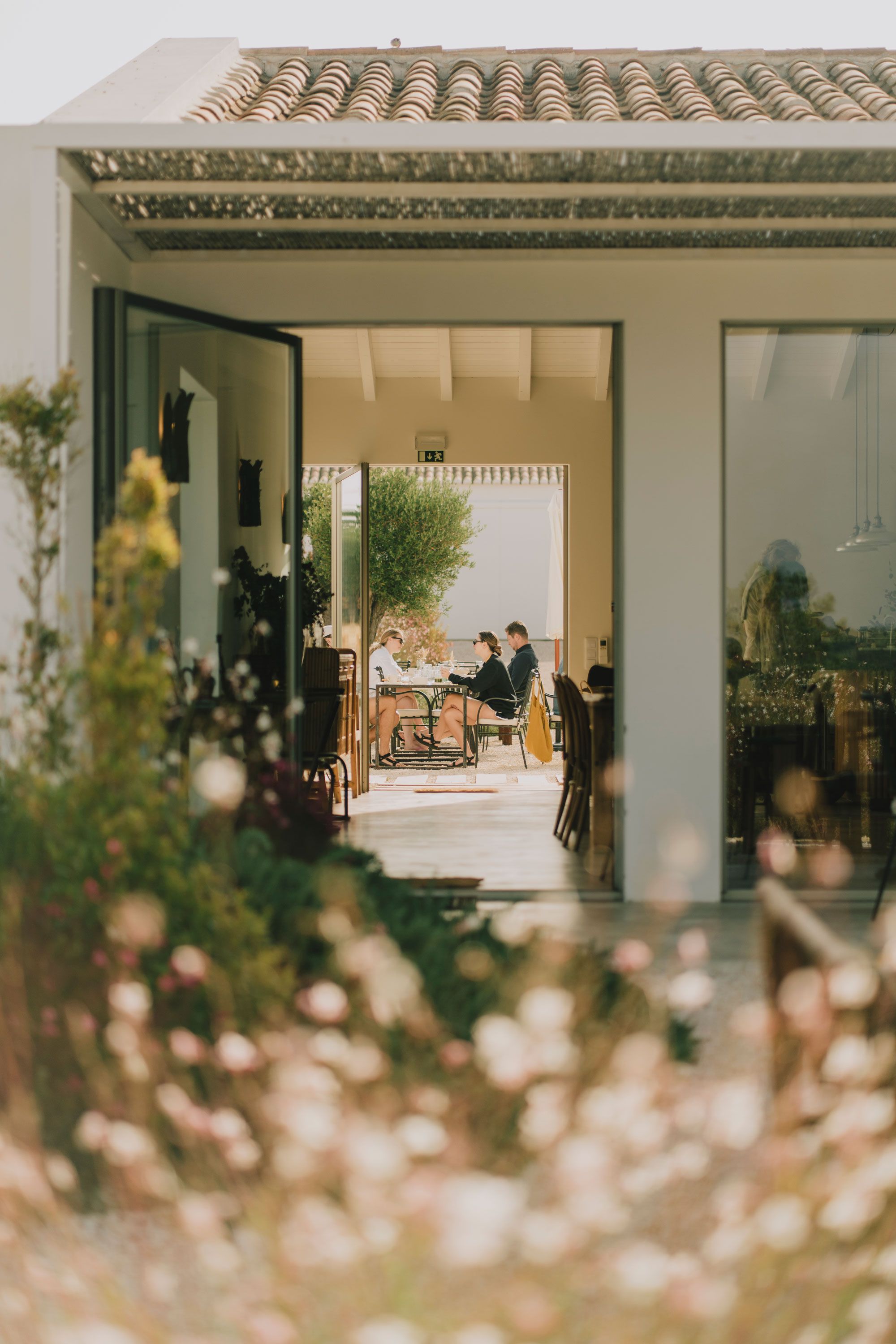
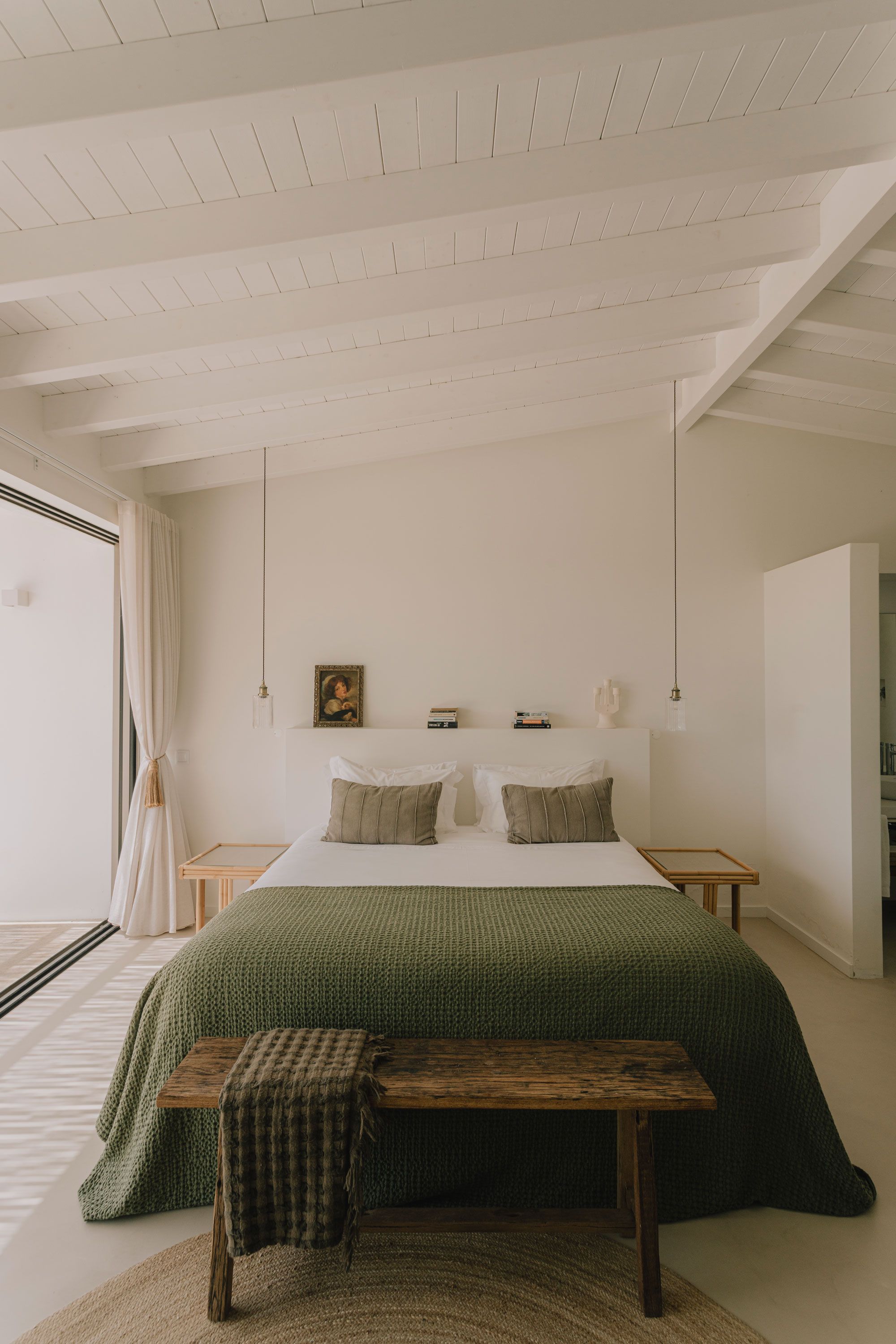
Journeying further north along the dramatic Atlantic coast, Amaria, which opened in 2023, is situated within the Costa Vicentina Natural Park, near the renowned surf town of Aljezur. Here, the landscape undergoes a breathtaking transformation: windswept cliffs, ancient olive groves, and fragrant pine forests dramatically meet the vast, open sea.
The hotel’s architecture thoughtfully mirrors the region’s characteristic whitewashed vernacular. It is spread across two buildings, nestled within 25 acres of diverse coastal terrain and gardens. The accommodation comprises eleven meticulously designed units, including four suites, seven junior suites, and a generous three-bedroom apartment. The interiors exude an airy and understated elegance, defined by soothing cream tones, ceramic accents, and textiles sourced from talented Portuguese artisans. Rustic wooden furnishings imbue the minimalist aesthetic with warmth. Floor-to-ceiling windows flood the spaces with natural light, while underfloor heating enhances the sense of coziness. Every room opens onto a private terrace, offering serene garden views or captivating glimpses of the sea. The suites are further enhanced by freestanding bathtubs and inviting wood-burning fireplaces, creating an atmosphere that makes it almost impossible to depart your room.
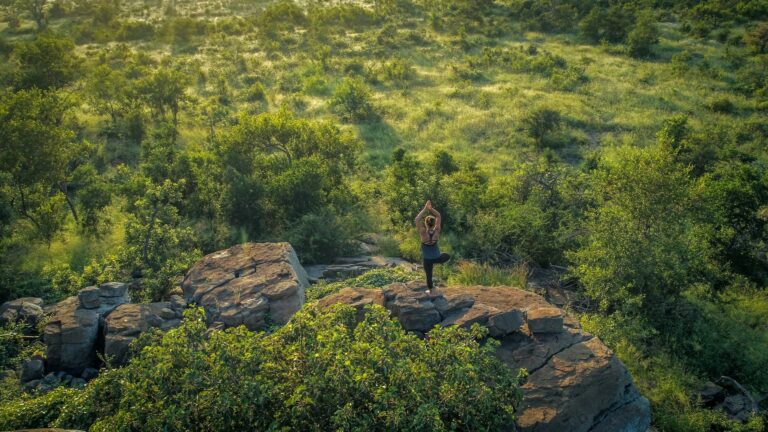
Outside, winding gravel paths lead to a refreshing saltwater pool that boasts stunning ocean views. Fire pits are strategically placed for convivial evening gatherings, and a wood-burning sauna is discreetly tucked into the natural landscape. A dedicated yoga deck is situated amidst the gardens, and scenic coastal trails commence just beyond the property’s boundaries. For surfers, the nearby beaches offer some of Portugal’s most pristine and exhilarating breaks. Ultimately, it is this profound sense of open space, coupled with a deep connection to history and continuity, and a welcome distance from the crowds, that defines the truest form of luxury found here.